
Author: Site Editor Publish Time: 2026-01-21 Origin: Site
Silicone gaskets are highly effective sealing components made from silicone rubber, known for their durability and resistance to extreme conditions. These gaskets are widely used in various industries, including automotive, aerospace, food processing, and pharmaceuticals, to prevent leaks and ensure the integrity of machinery and equipment. Silicone gaskets are essential because they maintain reliable seals in demanding environments, even under high temperatures, chemical exposure, and mechanical stress. One of the most common questions regarding silicone gaskets is their lifespan. On average, silicone gaskets can last anywhere from 10 to 20 years, depending on factors such as the specific application, environmental conditions, and maintenance. In some cases, with proper care and routine inspections, silicone gaskets can exceed their expected lifespan, providing long-term, cost-effective sealing solutions.
The lifespan of silicone gaskets is influenced by several factors. Understanding these can help extend their durability and ensure optimal performance. Key factors to consider include:
Silicone gaskets are designed to withstand extreme conditions, but prolonged exposure to harsh elements can reduce their effectiveness. High temperatures—both hot and cold—can cause hardening, cracking, or loss of flexibility. While silicone resists many chemicals, exposure to aggressive acids, oils, and solvents can lead to degradation. Additionally, UV radiation and ozone exposure, particularly in outdoor applications, can cause cracking and reduce sealing capability. Proper material selection for specific environmental conditions is essential for gasket longevity.
The application significantly impacts the gasket’s lifespan. For example, automotive gaskets experience high temperatures and thermal cycling, which accelerate wear. Aerospace gaskets face both extreme pressure and temperature, requiring higher performance. In contrast, food processing gaskets must meet sanitation standards but may not undergo the same stresses. The more demanding the application, the faster the gasket wears.
Silicone gaskets endure mechanical stresses such as pressure, vibration, and compression. Over-compression can deform the gasket, compromising its seal. Vibration can also cause fatigue, leading to micro-cracks. Improper installation—such as over-compressing a gasket or using it beyond its pressure limits—can significantly reduce its lifespan.
Regular maintenance is crucial for extending gasket life. Routine inspections for wear, such as cracks or loss of flexibility, can prevent failures. Gaskets exposed to harsh chemicals or extreme conditions should be cleaned and inspected more frequently. Proper installation and avoiding over-compression also help maintain gasket effectiveness. Gaskets that receive adequate care, such as timely replacements, last much longer than neglected ones.
The average lifespan of silicone gaskets can vary significantly depending on the specific application and environmental conditions. However, in general, silicone gaskets are designed to last a long time, often ranging from 10 to 20 years with proper care and maintenance. Below is an overview of how the typical lifespan can differ across various industries:
In automotive environments, silicone gaskets are exposed to high temperatures, thermal cycling, vibration, and chemical exposure. These factors can cause wear and tear over time. Typically, silicone gaskets used in engines, exhaust systems, or cooling systems have a lifespan of 5 to 10 years, depending on driving conditions and maintenance practices. Gaskets in high-performance or extreme-duty vehicles may have a shorter lifespan due to more intense operating conditions.
Silicone gaskets in the pharmaceutical industry are used in sterile environments where contamination prevention is critical. These gaskets are subject to routine cleaning and may experience exposure to cleaning agents and high temperatures. Given these factors, silicone gaskets in pharmaceutical applications can last between 10 to 15 years when properly maintained. Regular inspections and cleaning are essential to ensure that the gaskets continue to provide a reliable seal throughout their life.
Silicone gaskets used in industrial machinery are often exposed to harsh chemicals, high pressures, and fluctuating temperatures. In these applications, gaskets are critical for preventing leaks and maintaining machinery integrity. The typical lifespan for silicone gaskets in industrial machinery is generally between 5 to 15 years, depending on the specific machinery and operating conditions. Gaskets that undergo frequent thermal cycling or exposure to aggressive chemicals may need to be replaced more often.
While silicone gaskets are designed for long-term performance, they can eventually show signs of wear that indicate it’s time for a replacement. Some common signs to look out for include:
Over time, exposure to temperature extremes or mechanical stress can cause silicone gaskets to develop cracks or tears. This is especially common when the gasket has been over-compressed or exposed to aggressive chemicals.
Silicone gaskets should remain flexible to maintain a reliable seal. If the gasket becomes brittle, stiff, or loses its ability to compress properly, it may no longer be effective. This is often caused by prolonged exposure to high temperatures or UV radiation.
When silicone gaskets are exposed to excessive compression, they may deform, losing their original shape and sealing properties. If the gasket no longer fits properly in its intended sealing location or appears flattened, it should be replaced.
If the gasket begins to leak, even slightly, or fails to maintain its seal during pressure or temperature fluctuations, it's a clear sign that it’s time for a replacement. Leaks can indicate that the gasket has worn down, cracked, or lost its ability to conform to irregular surfaces.
To maximize the lifespan and performance of silicone gaskets, it's essential to follow best practices for installation, maintenance, and handling. Here are key recommendations:
Proper Compression: Install silicone gaskets with the correct compression to avoid over-compressing or under-compressing, both of which can lead to damage or poor sealing. Always follow the manufacturer's compression guidelines.
Clean Surfaces: Ensure installation surfaces are clean and free from dirt, oil, or debris. Contaminants can compromise the gasket’s seal and lead to premature wear.
Use Correct Tools: Use appropriate tools to apply even pressure during installation. This prevents the gasket from stretching or tearing, ensuring a tight seal.
Regular Inspections: Inspect silicone gaskets regularly for cracks, brittleness, or deformation. Early detection helps prevent more serious issues and unnecessary replacements.
Avoid Harsh Cleaners: Use gentle cleaning solutions and avoid harsh chemicals that could degrade the gasket material.
Lubrication: In some cases, applying a compatible lubricant before installation can reduce wear and extend gasket life.
Avoid Over-Compression: Over-compressing silicone gaskets can cause permanent deformation. Always use the correct torque to ensure proper compression.
Handle Carefully: Avoid twisting or bending the gasket during installation or removal. This ensures it maintains its shape and sealing properties.
Proper Storage: Store silicone gaskets in a cool, dry place, away from UV light, ozone, and chemicals to prevent degradation.
Temperature Control: Ensure gaskets are used within their recommended temperature range to prevent hardening or cracking.
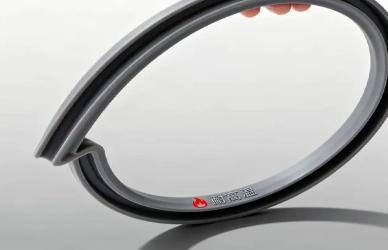
Knowing when to replace silicone gaskets is crucial for maintaining optimal performance and preventing leaks. Here’s how to identify when it’s time to replace your gasket and what to consider:
Cracking or Fracturing: Visible cracks or fractures indicate the gasket can no longer provide a reliable seal, often caused by extreme conditions or mechanical stress.
Loss of Flexibility: Silicone gaskets should remain flexible. If the gasket becomes brittle or hard due to temperature, UV, or ozone exposure, it can’t compress properly and should be replaced.
Deformation: Permanent flattening or misshaping due to over-compression means the gasket can’t seal effectively and needs to be replaced.
Tears or Visible Wear: Tears or significant wear on the gasket surface indicate it’s no longer performing properly and must be replaced.
Cost-Effectiveness: Replacing a damaged gasket is often cheaper than dealing with potential leaks, equipment failure, or downtime. Weighing the cost of replacement against possible risks is essential.
Safety: If a gasket failure could compromise safety, such as leaking hazardous materials or causing pressure loss in critical systems, it should be replaced immediately.
Operational Efficiency: A damaged gasket can reduce machinery efficiency, leading to leaks or operational issues. Replacing it ensures smooth performance and avoids unnecessary energy loss.
Yes, like any sealing component, silicone gaskets can degrade over time due to exposure to harsh conditions, mechanical stress, and chemical exposure.
Common signs include visible cracks, hardening, loss of flexibility, or an inability to form a tight seal, which can result in leaks.
Yes, extreme temperatures can shorten the lifespan of silicone gaskets. Prolonged exposure to high heat or cold can cause cracking or hardening.
Regular inspections for leaks, physical wear, or changes in the gasket's shape can help determine if it's still performing effectively.
In conclusion, the lifespan of silicone gaskets is influenced by several key factors, including environmental conditions (such as temperature extremes, chemical exposure, and UV radiation), the specific application (e.g., automotive, aerospace, or food processing), and the mechanical stress the gasket endures. Additionally, regular maintenance plays a critical role in extending the life of silicone gaskets. Routine inspections, proper handling, and timely replacements can significantly reduce the risk of failure, ensuring consistent sealing performance. By addressing these factors and following best practices for installation and upkeep, industries can maximize the durability and reliability of their silicone gaskets, ultimately reducing maintenance costs and enhancing overall operational efficiency.


