
Author: Site Editor Publish Time: 2026-11-12 Origin: Site
In the trenches of biopharmaceutical processing and medical device manufacturing, fluid transfer systems function as the vital arteries of production. The purity of these lines is absolutely non-negotiable. A single contaminated pathway can ruin an entire million-dollar batch of active pharmaceutical ingredients. You simply cannot gamble on unverified materials. This is why fluid engineers consistently specify a premium Silicone Tube for their most demanding projects. Its inherent flexibility, physical durability, and exceptional thermal stability make it an industry staple. Yet, anyone on the production floor will tell you that not all elastomers are created equal.
To guarantee patient safety and maintain strict regulatory compliance, manufacturers rely on comprehensive testing standards. The most universally recognized benchmark is the USP Class VI specification. This guide breaks down exactly what this standard means for elastomeric products. We will explore how the biological testing process actually works in the lab and why prioritizing material safety is critical for the success of your next engineering deployment.
Key Takeaways
Highest Standard of Purity: Representing the most stringent of the six United States Pharmacopeia plastic classes, this certification ensures materials are exceptionally safe for critical healthcare applications.
Guaranteed Safety: Tubing with this specific certification has passed rigorous in vivo biological reactivity tests. This proves it will not cause harmful systemic or local reactions in the human body.
Low Chemical Migration: Certified materials undergo strictly controlled manufacturing processes to minimize chemical leaching. This prevents the contamination of sensitive process fluids.
Essential Paperwork: Proper regulatory compliance requires absolute manufacturer transparency. Buyers must always request Certificates of Compliance and comprehensive material traceability records.
Industry Baseline: For biopharmaceutical processing, peristaltic pumps, and critical medical devices, utilizing certified materials serves as a fundamental regulatory requirement.
Looking at recent trajectories in the life sciences sector, the rapid transition toward single-use systems has exponentially driven the demand for premium elastomers. Facilities are moving away from traditional stainless-steel vats that require intense and time-consuming cleaning validations. Instead, the reliance on disposable, highly pure fluid pathways has surged. In this evolving landscape, ensuring absolute Biocompatibility is no longer just a best practice. It has become a fundamental risk mitigation strategy.
Furthermore, global regulatory bodies are tightening their scrutiny on material traceability. The market is seeing a distinct preference for platinum-cured materials over older peroxide-cured options. Engineers are demanding components that offer zero risk of organic acid residues. This trend underscores a broader industry movement toward zero-defect manufacturing, where every millimeter of the fluid path is engineered for absolute chemical inertness.
To fully grasp the significance of this certification, we must look at the governing body behind it. The United States Pharmacopeia is an independent, scientific, non-profit organization. It establishes strict quality, purity, and strength standards for medicines, food ingredients, and medical products globally. When evaluating plastics and polymers used in healthcare, this organization sets the ultimate benchmark for safety.
Within this regulatory framework, Chapter 88 categorizes polymers, plastics, and elastomers into six distinct classes. These range from Class I up to Class VI. This classification system relies primarily on the biological reactivity of the material when exposed to living tissue. Class VI requires the most comprehensive and exhausting testing matrix of all the tiers. While lower classes might only require partial testing or less invasive evaluation, Class VI demands a full suite of in vivo biological reactivity tests. By meeting these rigorous criteria, a material proves it possesses the high purity necessary for life-saving applications.
Silicone is an inherently remarkable polymer. Its unique chemical backbone consists of alternating silicon and oxygen atoms. This structure grants it exceptional thermal stability, chemical inertness, and physical flexibility. Unlike PVC or natural rubber, it does not require chemical plasticizers like DEHP to remain pliable. This makes it significantly cleaner and less prone to chemical leaching. However, the raw polymer must be cross-linked to form a usable elastomer. This curing process involves chemical agents, and the final extruded product must be completely free of toxic residues.
When whole blood, vaccines, or sensitive biological fluids pass through a transfer system, the material must remain entirely passive. It must not alter the chemical composition of the fluid. It also cannot introduce harmful toxins, particulates, or pyrogens into the process stream. Using uncertified or inferior tubing exposes companies to severe risks. These include catastrophic product recalls, heavy regulatory fines, and potential harm to end patients.
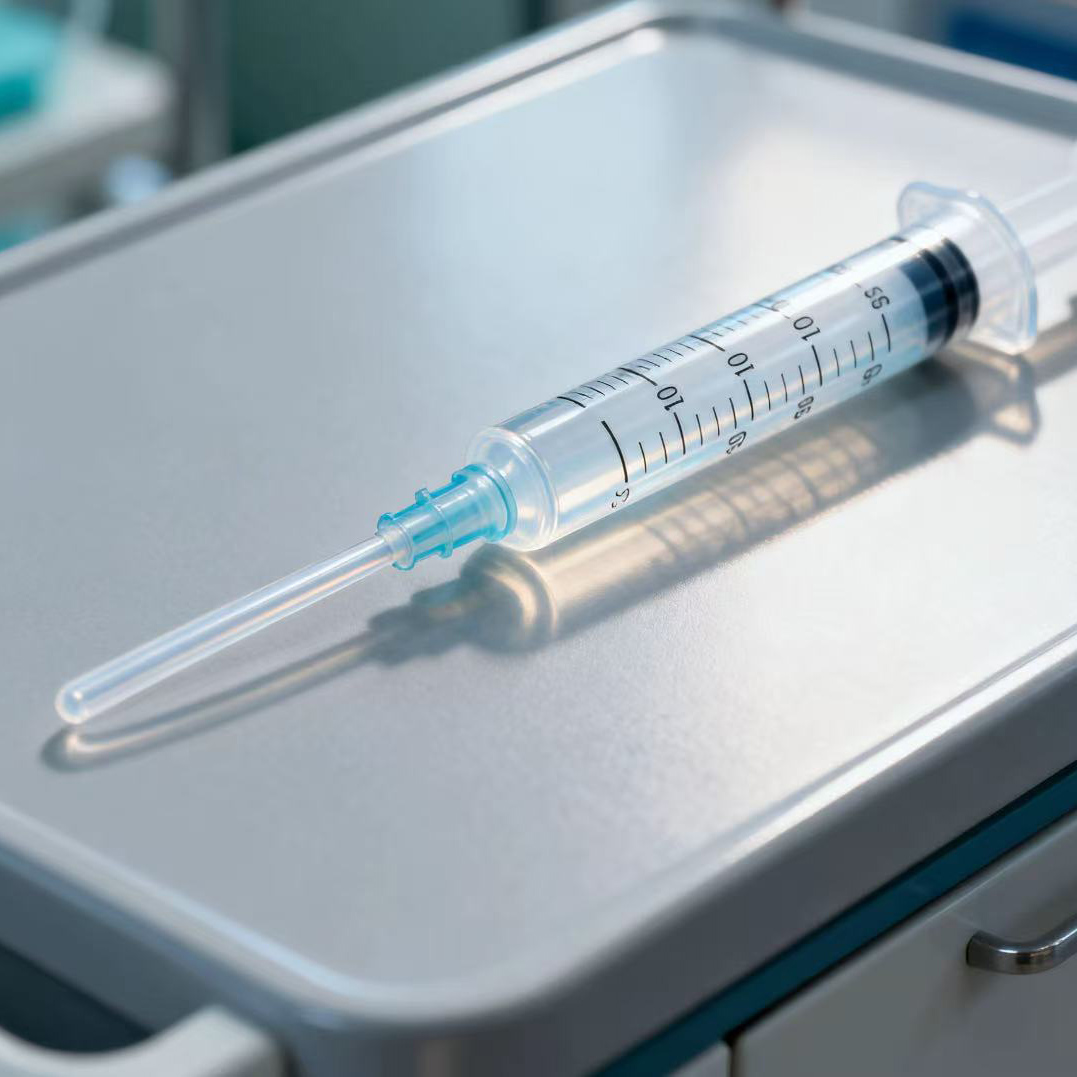
The certification process is far from a simple paperwork exercise. It involves rigorous laboratory evaluation. The regulatory guidelines outline specific in vivo testing protocols designed to evaluate the biological response of living tissue to the elastomer. In a practical laboratory setting, technicians meticulously prepare extracts of the material. They subject the tubing to various solvents, including sodium chloride injection, alcohol in saline, polyethylene glycol, and vegetable oil. These extractions occur at elevated temperatures for extended periods.
Acute Systemic Toxicity Test
This test evaluates the potential for the material to cause adverse systemic reactions when its chemical extracts enter a living organism. The prepared extracts are injected systemically into test subjects. Technicians then closely monitor the subjects over a 72-hour period. They look for any signs of systemic toxicity, weight loss, or other adverse biological responses. A passing grade requires that none of the subjects exhibit a significantly greater biological reaction than those treated with a blank control solvent.
Intracutaneous Reactivity Test
While the systemic test looks for whole-body reactions, the intracutaneous reactivity test focuses on localized tissue responses. Specific extracts of the tubing are injected directly into dermal tissue. The injection sites are meticulously observed over a 72-hour period. Experts check for signs of erythema, edema, or other localized irritation. This ensures that the material will not irritate human mucosal or dermal tissue upon direct contact.
Implantation Test
The final and perhaps most crucial phase is the implantation test. Unlike the previous tests that use chemical extracts, this procedure evaluates the living tissue response to the solid material itself. Small, sterile segments of the tube are surgically implanted directly into live muscular tissue for a minimum of 120 hours. Afterward, the surrounding tissue is macroscopically evaluated for signs of hemorrhage, necrosis, or encapsulation.
In pharmaceutical processing, the physical integrity of the tubing is only half the battle. Chemical integrity is equally vital. Understanding the subtle differences between chemical shedding mechanisms is crucial for maintaining fluid purity.
Extractables are chemical compounds forced out of the polymer matrix under extreme experimental conditions. These conditions include high heat, prolonged exposure times, or the use of harsh, aggressive solvents. They represent the absolute worst-case scenario. Leachables, in contrast, are compounds that actually migrate from the tubing into the specific process fluid under normal, everyday working conditions.
While the standard is primarily a biological reactivity framework, materials that successfully pass it generally possess highly stable, tightly cross-linked polymer networks. To achieve this high level of purity, manufacturers rely on specific curing methods. For example, when setting up a bioreactor feed line, engineers overwhelmingly prefer platinum-cured variants. This addition-cure mechanism yields no chemical byproducts. Older peroxide curing methods leave behind organic acid residues like 2,4-dichlorobenzoic acid. These residues can manifest as unwanted chemical migrants and interact with sensitive pharmaceutical fluids.
Navigating the regulatory landscape can be complex. Various standards govern different aspects of material safety. Distinguishing between overlapping frameworks is essential to ensure you apply the correct specifications to your project. Below is a breakdown of how these standards differ in a real-world engineering context.
Regulatory Standard | Primary Focus | Engineering Application |
|---|---|---|
USP Class VI | In vivo biological reactivity of the final cured elastomer. | Baseline requirement for raw tubing used in medical and biopharma fluid transfer. |
FDA 21 CFR 177.2600 | Approved list of raw chemical ingredients and additives. | Ensures base materials are safe for repeated food and beverage contact. |
ISO 10993 | Comprehensive biocompatibility of the finished medical device. | Required for final assembled products like complete catheter systems before market launch. |
European Pharmacopoeia EP 3.1.9 | European requirements for silicone elastomers in closures and tubing. | Crucial for manufacturers exporting bioprocessing equipment to the European market. |
In highly regulated sectors such as medical device manufacturing and biopharmaceuticals, a physical product is only as reliable as the paperwork that accompanies it. Without proper Documentation, even the highest quality elastomer cannot be legally utilized. Traceability is paramount on the production floor.
Every shipment of medical-grade material must arrive with a Certificate of Compliance or a Certificate of Analysis. This document serves as the manufacturer legal guarantee that the specific batch meets the stated specifications. A robust certificate explicitly includes the specific material formulation, unique lot numbers for complete traceability back to the raw polymer, cure dates, and clear confirmation of biological testing compliance.
Reputable manufacturers do not just claim compliance; they prove it. Buyers should have access to summary validation reports detailing the actual biological reactivity testing performed by accredited, independent third-party laboratories. Additionally, certification applies strictly to a specific material formulation and a specific manufacturing process. If a manufacturer changes the base resin or alters the extrusion temperature profile, the certification is technically invalidated. Suppliers must maintain a strict Change Control policy to notify buyers well in advance of any process alterations.
Selecting a supplier is a critical strategic decision. Procuring materials that fail to meet regulatory standards will halt production lines and trigger massive financial losses. Instead of looking at abstract concepts, engineers should use a strict checklist when evaluating potential manufacturing partners.
First, verify the manufacturing environment. Extruding high-purity elastomers in an uncontrolled setting introduces severe risks of particulate and microbial contamination. You must select a manufacturer that operates certified cleanrooms, specifically ISO Class 7 or ISO Class 8 environments. The material itself should be 100 percent medical-grade platinum-cured silicone, capable of withstanding extreme temperature ranges, typically from negative 60 degrees Celsius up to 200 degrees Celsius.
Standard sizes rarely fit complex, proprietary bioprocessing equipment perfectly. The right manufacturer must offer extensive customization capabilities. For instance, top-tier suppliers like Zhongweixin provide strict dimensional controls on custom inner and outer diameters. They can produce specialized profiles, offer reinforced braiding for high-pressure applications, and deliver pre-sterilized packaging options. Ensuring your partner integrates physical production with rigorous Quality Management Systems like ISO 13485 keeps your supply chain uninterrupted and fully compliant.
Due to its exceptional purity and stable mechanical properties, tubing bearing this certification is deployed in the most critical environments across the life sciences sector.
Biopharmaceutical Processing: In the production of vaccines, monoclonal antibodies, and cell therapies, fluid purity is an absolute necessity. A USP Class VI certified line is heavily utilized in sterile filling systems, bioreactor feeds, and single-use assemblies. This ensures expensive biological fluids are never compromised.
Medical Devices: Prolonged contact with human tissue requires the highest assurance of safety. This material forms the foundation for numerous devices. Examples include cardiovascular catheters, surgical wound drains, and vital respiratory care equipment.
Peristaltic Pumps: Imagine a peristaltic pump running continuously for 48 hours. Inferior tubing will suffer from rapid spallation, shedding microscopic particles directly into the fluid stream. Premium platinum-cured elastomers withstand repeated mechanical compression over thousands of cycles without degrading or losing their shape.
Securing the right fluid transfer components is a foundational step in safeguarding both product integrity and patient health. USP Class VI certification remains the ultimate assurance of biocompatibility, low extractables, and reliable performance in demanding medical and biopharma applications. By understanding the rigorous testing behind this standard, prioritizing comprehensive documentation, and partnering with cleanroom-certified manufacturers, procurement managers and engineers can confidently mitigate risks.
Do not leave your critical fluid pathways to chance. If you are engineering a new medical device or upgrading a bioprocessing facility, you need materials you can trust. Visit Zhongweixin today to explore a full range of high-quality, fully traceable medical-grade silicone tubing solutions tailored perfectly to your specific operational needs.
No. The FDA does not explicitly approve raw materials like bulk elastomers. This certification means the material has passed specific biological reactivity tests set by the United States Pharmacopeia. However, utilizing these certified materials makes it significantly easier to obtain final FDA clearance for your finished medical device or pharmaceutical process, as the agency recognizes the standard as valid proof of base material safety.
The certification applies to the specific chemical formulation and manufacturing process of the elastomer, not just a single batch. As long as the manufacturer does not alter the raw resin, the curing agent, or the extrusion parameters, the material remains compliant. This highlights exactly why strict Change Control documentation is vital for long-term regulatory compliance.
Not automatically. While platinum-cured variants are the preferred material for high-purity applications due to their low extractables and lack of peroxide byproducts, they must still undergo and successfully pass the specific in vivo testing outlined in Chapter 88 to legally claim compliance. Never assume compliance based solely on the curing method.
Yes. Medical-grade formulations are highly resilient. They can typically withstand multiple rigorous sterilization methods. These include autoclaving at high temperatures, gamma irradiation, and Ethylene Oxide gas. They endure these processes without losing their mechanical properties, flexibility, or compromising their established biocompatibility profile.
If a material fails any of the three systemic or localized reactivity tests, it cannot carry this elite classification. It may still qualify for lower classes, such as Class I through V. Alternatively, it might be relegated to non-medical industrial applications where strict biological compatibility is not a functional requirement.
Absolutely. In fact, it is highly recommended. Premium platinum-cured silicone tubing with this certification offers excellent flex fatigue resistance. This means it can endure the continuous squeezing action of a peristaltic pump without premature cracking or shedding particulates into the fluid stream, ensuring long-term dosing accuracy.
Medical grade is a broad, somewhat generic industry term indicating a material is generally safe for healthcare use, often manufactured in a cleanroom. USP Class VI, however, is a specific, legally defined testing standard. A material can be marketed as medical grade without passing these rigorous in vivo tests, but true high-stakes applications always require the official USP Class VI certification.


