
Author: Site Editor Publish Time: 2026-07-10 Origin: Site
Specifying the wrong elastomer for your industrial operations often leads to premature seal failure and compliance violations. These errors trigger costly operational downtime and extensive maintenance delays. Material selection dictates system longevity, safety, and overall reliability. Many professionals still use "rubber" as a universal catch-all term. However, organic commercial rubbers—like Neoprene, EPDM, or Nitrile—and inorganic silicone rely on fundamentally different chemical backbones. Carbon-based materials degrade differently than silicon-oxygen structures.
Specifying a standard rubber when conditions demand advanced thermal stability inevitably invites rapid degradation. We will explore the exact chemical and practical differences between these common elastomeric materials. You will learn an evidence-based framework to evaluate thermal performance limits, mechanical durability, and chemical compatibility. This guide equips engineers and procurement teams to confidently compare and shortlist the ideal elastomeric sheet for specific operational environments.
Temperature Tolerance: Silicone sheets vastly outperform standard organic rubber in extreme high and low temperatures (-100°C to +250°C).
Mechanical Durability: Traditional commercial rubbers generally offer superior tensile strength, abrasion resistance, and tear resistance compared to standard silicone.
Chemical & Environmental Resistance: Silicone is highly resistant to UV, ozone, and weathering, but standard rubbers (like Nitrile) are required for petroleum, oil, and solvent-heavy environments.
Cost-to-Value: Standard rubber has a lower upfront cost, but a silicone sheet delivers better long-term ROI in environments requiring strict regulatory compliance (FDA/medical) or thermal stability.
Engineers must understand the underlying chemistry of elastomers before making a reliable selection. Material performance originates directly from atomic structure. You cannot force a material to outperform its inherent chemical bonds.
Organic commercial rubbers rely on a carbon-to-carbon polymer backbone. This broad category includes Natural Rubber, EPDM, Neoprene, and Nitrile (NBR). Carbon bonds provide excellent mechanical properties under moderate atmospheric conditions. They offer high tensile strength, exceptional elasticity, and strong tear resistance. However, these same carbon double bonds remain highly vulnerable to environmental stress. High ambient heat, heavy ozone exposure, and direct UV radiation aggressively break down the polymer chains over time. Ozone actively cleaves the double bonds within the carbon structure. You will notice this chemical degradation visually as surface cracking, severe hardening, or eventual crumbling of the seal.
In contrast, a Silicone Sheet utilizes a completely different silicon-oxygen (siloxane) backbone. This inorganic atomic structure creates a highly stable, non-reactive material. The silicon-oxygen bond possesses much higher bond energy than standard carbon-to-carbon bonds. Therefore, it inherently resists elastomeric breakdown under severe environmental stress. You can expose silicone to intense thermal cycling without destroying its structural integrity. It actively maintains flexibility and sealing performance long after organic rubbers harden and fail.
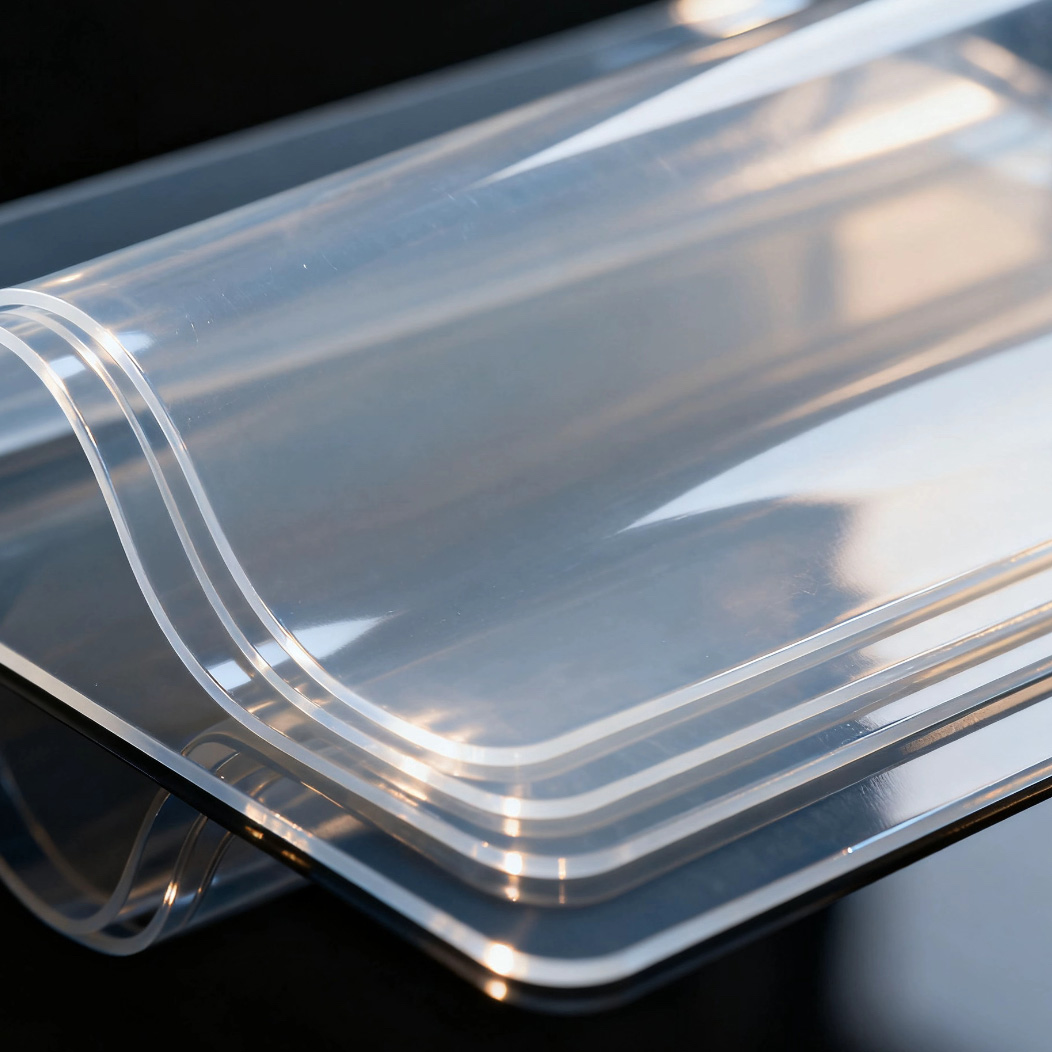
We use specific operational dimensions to specify the right material correctly. You must evaluate thermal limits, physical wear conditions, and potential chemical exposure before making a final decision.
Temperature ranges often dictate your material choice immediately. Standard organic rubbers typically operate safely between -40°C and +120°C. Once temperatures consistently exceed 120°C, traditional rubber begins to cure further. It rapidly becomes brittle, loses its elasticity, and entirely loses its sealing capability. Silicone entirely redefines these thermal boundaries. It maintains continuous flexibility in sub-zero environments down to -100°C without shattering. Similarly, it survives continuous heat exposure up to +250°C without melting or off-gassing. You absolutely need silicone for applications facing rapid, extreme thermal cycling.
Every engineering decision involves specific material trade-offs. We must acknowledge the primary limitation of standard silicone formulations. It generally exhibits lower tear strength and reduced abrasion resistance compared to carbon-based alternatives. High-friction environments will physically tear standard silicone apart. If your application involves heavy physical scraping or dynamic motion, avoid standard silicone. We strongly recommend natural rubber or specialized polyurethane for heavy-wear physical applications. They absorb physical impacts and resist surface gouging much better.
Fluid interactions heavily influence elastomeric stability. We must map out specific chemical exposures carefully to prevent catastrophic seal failure. You should avoid using standard silicone alongside concentrated acids or pressurized steam. Certain specialty grades handle steam effectively, but standard versions undergo hydrolysis and degrade. Furthermore, petroleum-based oils and fuels will cause standard silicone to swell dramatically and lose structural strength. For automotive oil seals or industrial fuel lines, Nitrile (NBR) remains the necessary choice. Neoprene also handles mild chemical splashes and greases effectively.
Outdoor applications expose seals to relentless environmental attacks. Standard natural rubber develops microscopic surface cracks upon prolonged ozone exposure. Silicone demonstrates near-immunity to UV rays, cosmic radiation, and ozone cracking. It represents the superior engineering choice for long-term outdoor deployment. You can leave silicone components exposed to direct sunlight for decades without noticeable degradation or loss of flexibility.
Performance Metric | Standard Rubber (e.g., EPDM/NBR) | Silicone |
|---|---|---|
Continuous Heat Limit | Up to +120°C | Up to +250°C |
Low Temperature Flexibility | Moderate (Down to -40°C) | Excellent (Down to -100°C) |
Tear & Abrasion Resistance | High to Very High | Low to Moderate |
Petroleum & Oil Resistance | High (NBR specifically) | Poor (Requires Fluorosilicone) |
UV & Ozone Resistance | Moderate to High | Outstanding |
Certain extreme environments strictly demand the unique properties of silicone. You will find it indispensable across several advanced regulatory and industrial sectors.
Food, Beverage, and Medical Compliance: Silicone is naturally inert, odorless, and non-toxic. Medical devices and food processing lines require strict regulatory adherence. You can easily source silicone grades meeting FDA, USP Class VI, and NSF certifications. The material will not leach harmful chemical byproducts into consumables or human tissue.
High-Heat Sealing: Engine compartments and aerospace components generate immense ambient heat. A silicone gasket sheet survives where standard rubber hardens and cracks. HVAC systems also rely on silicone to endure continuous thermal cycling. The gasket maintains its structural rebound memory under pressure, preventing critical air or fluid leaks.
Electrical Insulation: Modern power systems require highly reliable dielectric materials. Silicone provides excellent electrical resistance and arc tracking resistance. Engineers frequently specify it for EV battery enclosures, printed circuit boards, and power distribution panels. It isolates high-voltage components safely while efficiently managing internal heat dissipation.
Silicone solves highly complex engineering problems, but it is not universally necessary. Many applications favor the rugged physical toughness of standard rubber.
You do not always need extreme thermal or chemical resistance. Basic indoor floor matting strictly requires basic physical durability. Anti-vibration pads placed under commercial machinery simply need reliable impact absorption. In these standard scenarios, specifying premium materials creates unnecessary specification bloat. Standard natural rubber or SBR handles these general-purpose indoor tasks perfectly.
Refineries, drilling rigs, and automotive fuel systems require specialized synthetic rubbers. Standard silicone cannot survive sustained contact with hydrocarbon fuels. The material rapidly absorbs the fluid, swells beyond its designated tolerances, and loses its structural integrity. You must specify Nitrile (NBR) for fuel lines, oil pan gaskets, and hydraulic seals. NBR naturally repels petroleum products and maintains its shape.
Mining operations and aggregate sorting facilities quickly destroy delicate elastomeric seals. Materials here face constant scraping, gouging, and heavy blunt impacts. You should recommend natural rubber or SBR for heavy conveyor belts. Chute linings and heavy machinery mounts also require exceptional tensile strength. Organic rubbers deliver superior physical rebound and unmatched physical toughness against abrasive rocks or metals.
Specifying the right material only solves half the engineering problem. You must also deeply consider how your manufacturing team will fabricate, bond, and install it.
Silicone presents a notorious implementation risk regarding adhesion. The material possesses an incredibly low surface energy. This property makes it naturally non-stick and highly difficult to bond to other substrates. Standard industrial glues, epoxies, or tapes will simply peel off the surface. You must specify specialized pressure-sensitive adhesives (PSAs) explicitly designed for low-surface-energy materials. Alternatively, your manufacturing team can apply specific chemical primers or utilize corona surface treatments before bonding the sheet to metal or plastic.
Fabricating custom parts requires different manufacturing approaches for different elastomers. Harder organic rubbers can sometimes resist clean cutting or cause blade deflection. Conversely, you can easily die-cut a standard silicone profile. Waterjet cutting also works exceptionally well for thick silicone components. The waterjet cuts cleanly without creating a heat-affected zone or fraying the edges. This manufacturing predictability helps facilities produce highly precise, intricate seal designs at scale.
Selecting the ideal elastomer directly impacts your system's performance, safety, and regulatory compliance. The choice between standard commercial rubber and silicone ultimately depends on specific environmental stressors. You must evaluate temperature extremes, chemical exposure limits, physical wear, and medical compliance needs before sourcing materials.
Silicone dominates in extreme temperature fluctuations and specialized medical or food-grade applications.
Standard synthetic rubbers excel in heavy abrasion scenarios and petroleum-rich industrial environments.
Material selection always requires a careful balance of physical toughness against environmental stability.
Consider distinct fabrication requirements like specialized primers and adhesives before finalizing your structural design.
We highly encourage buyers to map out their exact operational parameters clearly. Define your specific temperature ranges, internal pressures, and fluid media. Always request detailed material data sheets (MDS) from your supplier. Order physical sample sheets to run internal validation tests before proceeding to bulk procurement.
A: No. Standard silicone will swell and rapidly degrade when exposed to petroleum-based oils or hydrocarbon fuels. You must specify Fluorosilicone if you need both fuel resistance and extreme temperature tolerance. Otherwise, Nitrile (NBR) remains the standard, highly effective alternative for common oil and fuel sealing applications.
A: Manufacturing silicone involves complex chemical processes, demanding a higher initial investment than natural rubber. Organic rubber offers a lower barrier to entry for general purposes. However, silicone frequently provides superior lifecycle value in extreme environments because it resists degrading, cracking, or requiring constant replacement.
A: EPDM provides excellent longevity for standard outdoor use. However, silicone boasts a significantly longer operational lifespan. It often lasts over a decade without hardening or becoming brittle. This extended lifespan applies strictly if the material is not subjected to heavy physical abrasion or incompatible aggressive chemicals.
A: All elastomers experience some level of permanent compression set. However, high-quality silicone maintains its shape and rebound memory far better than standard rubber under thermal stress. It resists permanent deformation excellently, ensuring that mechanical seals remain watertight and airtight even after years of continuous physical compression.


