
Author: Site Editor Publish Time: 2026-08-04 Origin: Site
Medical device failures frequently trace back to material degradation. Repeated sterilization cycles act as the primary catalyst for this breakdown, compromising the mechanical integrity of fluid transfer and delivery systems. Sterilization compatibility requires immediate attention during the initial design phase. Engineering and procurement teams face a strict balancing act. They must meet rigorous regulatory sterility requirements while ensuring the functional longevity of the components. Selecting an incompatible sterilization method or an incorrect tubing formulation leads to severe consequences. These errors cause micro-cracking, loss of elasticity, and catastrophic failure during critical clinical procedures. This guide delivers an evidence-based framework for evaluating how common sterilization modalities impact molecular structures. We analyze the performance of Medical Grade Silicone Tubing under extreme thermal and chemical stress. This analysis enables precise material specification for specific clinical applications, ensuring reliable performance in the field.
Sterilization is Not Material-Neutral: Every sterilization method (Autoclave, Gamma, EtO) alters the polymer matrix of silicone, requiring a calculated trade-off between sterility assurance and mechanical degradation.
Curing Methods Dictate Resilience: Platinum-cured silicone consistently outperforms peroxide-cured variants in maintaining tensile strength and clarity across repeated high-temperature and radiation cycles.
Application-Specific Validation is Mandatory: The acceptable threshold for material degradation varies drastically between a single-use nasal feeding silicone tube and a multi-use peristaltic pump component.
E&L Profiles Shift Post-Sterilization: Extractables and leachables (E&L) testing must be conducted after the intended sterilization cycle, as thermal and radiation stress can introduce new chemical liabilities.
You must understand the raw polymer before evaluating sterilization impacts. Silicone is a synthetic elastomer built on a siloxane backbone. This structure consists of alternating silicon and oxygen atoms. The silicon-oxygen bond possesses a significantly higher bond energy (452 kJ/mol) compared to the carbon-carbon bonds (346 kJ/mol) found in standard organic polymers. This fundamental chemical difference provides silicone with its exceptional thermal stability and flexibility across extreme temperature ranges.
Engineers establish a strict pre-sterilization mechanical profile to serve as a baseline for future testing. We measure these properties using standardized ASTM methodologies to ensure consistency across batches. The primary baseline metrics include:
Durometer (Hardness): Measured via ASTM D2240 on the Shore A scale. Medical tubing typically ranges from 30 to 80 Shore A, dictating the material's resistance to surface indentation and overall stiffness.
Tensile Strength: Evaluated using ASTM D412. This metric defines the maximum stress the tubing can withstand while being stretched before it breaks. High tensile strength prevents catastrophic ruptures under fluid pressure.
Elongation at Break: Also measured via ASTM D412, this indicates the maximum percentage the material can stretch before failing. It directly correlates to the tubing's flexibility and ability to navigate tight bend radii without kinking.
Tear Resistance: Tested under ASTM D624. This measures the material's ability to resist the propagation of a cut or nick, which is vital when tubing is connected to barbed fittings or subjected to mechanical clamping.
Optical Clarity: Evaluated visually or via light transmission meters. High clarity allows clinicians to monitor fluid flow, detect air bubbles, and identify particulate contamination during procedures.
Clinical use demands absolute reliability. Fluid flow must remain consistent under varying pressures. Kink resistance prevents dangerous blockages during patient movement or equipment repositioning. Particulate shedding is strictly forbidden, as foreign bodies introduced into the bloodstream or digestive tract pose severe patient risks. Biocompatibility must endure in both short-term transient contact and long-term indwelling environments.
Industry professionals frequently compare silicone to alternative polymers like Polyvinyl Chloride (PVC). PVC serves well in basic, low-cost applications. However, PVC requires the addition of chemical plasticizers, such as DEHP, to achieve flexibility. These plasticizers can leach out of the polymer matrix into the fluid pathway, especially when exposed to lipids or elevated temperatures. Silicone achieves its flexibility inherently through its siloxane backbone, eliminating the need for leachable plasticizers. Furthermore, a standard silicone tube survives repeated sterilization cycles far better than PVC, which tends to melt, deform, or become dangerously brittle under similar thermal stress.
Sterilization introduces extreme energy into the material. This energy attacks the polymer chains directly through two primary mechanisms. Polymer chain scission breaks the main siloxane backbone, reducing the overall molecular weight and softening the material. Conversely, cross-linking forms new chemical bonds between adjacent polymer chains. This increases the density of the polymer network, resulting in increased stiffness and reduced elongation. The dominant mechanism depends entirely on the specific sterilization modality applied.
Different sterilization modalities apply distinct types of physical and chemical stress. You must evaluate each method against your specific application requirements and the mechanical tolerances of your device assembly.
Table: Sterilization Method Impact on Silicone Polymers
Sterilization Method | Primary Mechanism | Material Impact on Silicone | Optimal Application |
|---|---|---|---|
Steam Autoclaving | High heat and pressurized steam | Gradual elasticity loss, potential surface crazing | Multi-use instruments, reusable clinical settings |
Gamma Irradiation | Ionizing radiation (25-50 kGy) | Polymer cross-linking, increased stiffness, slight yellowing | High-volume, single-use medical consumables |
Ethylene Oxide (EtO) | Chemical alkylation gas | Minimal mechanical degradation, preserves clarity | Complex assemblies, heat-sensitive devices |
Electron Beam (E-Beam) | High-energy electron bombardment | Rapid cross-linking, moderate stiffening | Continuous processing of thin-walled components |
Steam autoclaving relies on extreme heat and pressurized moisture to destroy microorganisms. Standard medical cycles run at 121°C for 30 minutes or 134°C for 18 minutes. The physical stress on the polymer during these cycles is immense. The steam penetrates the microscopic pores of the silicone, transferring thermal energy directly into the polymer matrix.
The long-term impact on silicone is significant. High-temperature cycles cause a gradual loss of elasticity due to thermal oxidation and low-level chain scission. Repeated exposures risk severe surface cracking. Industry professionals refer to this surface degradation as "crazing." Crazing creates microscopic fissures along the inner and outer walls of the tubing. These fissures serve as ideal environments for bacterial adhesion and biofilm formation, ultimately compromising the sterility of the device during subsequent uses.
Autoclaving suits multi-use instruments and reusable clinical settings well. Slight dimensional shifts are often acceptable in these applications. However, you must monitor compression set carefully. Compression set measures the material's inability to return to its original thickness after prolonged compression. Sealing applications, such as O-rings or tubing clamped over barbed fittings, are highly vulnerable to compression loss after repeated autoclaving. If the compression set exceeds acceptable limits, the connection will leak under pressure.
Gamma sterilization utilizes powerful ionizing radiation, typically generated by a Cobalt-60 source. Dosage levels for medical devices usually range from 25 to 50 kGy. The high-energy photons penetrate deep into the polymer matrix, breaking chemical bonds and generating free radicals. In silicone, these free radicals rapidly recombine to form new bonds between adjacent polymer chains.
This massive cross-linking fundamentally alters the mechanical profile. The material becomes noticeably stiffer. Durometer readings increase measurably after a single cycle. Elongation capabilities drop significantly, meaning the tubing cannot stretch as far before tearing. The tube becomes increasingly brittle over repeated exposures, which is why gamma is rarely used for reusable components.
Gamma also causes distinct aesthetic changes. A slight yellowing or discoloration often appears immediately after processing. This occurs due to the formation of chromophores within the polymer structure. While this discoloration worries some end-users and marketing teams, it rarely affects the actual biocompatibility or chemical safety of the tubing. Gamma remains highly effective for mass production. It suits high-volume, single-use medical components perfectly. You must enforce strict dosimetry control during processing. Over-exposure causes severe embrittlement, leading to premature mechanical failure during clinical use.
Ethylene Oxide is a highly toxic, flammable chemical gas. The sterilization process relies on a complex alkylation mechanism that disrupts the cellular metabolism and DNA of microorganisms. EtO processing requires highly specific environmental controls. Temperature usually ranges from 37°C to 63°C. Relative humidity must be maintained between 40% and 80% to ensure the gas penetrates microbial cell walls effectively.
EtO causes minimal mechanical degradation to silicone. The low processing temperatures prevent thermal oxidation. The chemical nature of the gas does not induce cross-linking or chain scission in the siloxane backbone. It preserves the baseline clarity of the silicone perfectly. Flexibility remains entirely unchanged. The physical structure stays intact, making it indistinguishable from unsterilized tubing in mechanical tests.
EtO serves as the optimal choice for complex devices and heat-sensitive assemblies. Long-term indwelling performance is preserved. However, implementation carries severe logistical and safety risks. Silicone is highly permeable. It absorbs the EtO gas rapidly into its polymer matrix during the exposure phase. You must use extended, strictly validated aeration phases to remove this gas. Outgassing often takes 24 to 48 hours in heated aeration chambers. Residual EtO levels must meet strict ISO 10993-7 limits before the product can be released. Toxic residuals harm patients directly, causing severe tissue irritation or systemic toxicity.
Electron beam processing offers a fast, continuous sterilization method. It uses high-energy electrons accelerated to near the speed of light. Processing times are much shorter than gamma batch processing. However, the penetration depth of electrons is significantly lower than gamma photons. E-beam shares similar material risks with gamma irradiation. Cross-linking and stiffening occur rapidly upon exposure.
Dry heat sterilization uses extreme thermal stress without moisture. Temperatures often exceed 160°C for extended periods. We rarely recommend dry heat for standard silicone tubing. The absence of moisture combined with extreme heat causes accelerated oxidative degradation. The material breaks down rapidly, becoming brittle and prone to catastrophic failure under minimal mechanical stress.
Material specification requires context. You must match the sterilization method to the specific clinical application and the mechanical demands placed on the tubing during its lifecycle.
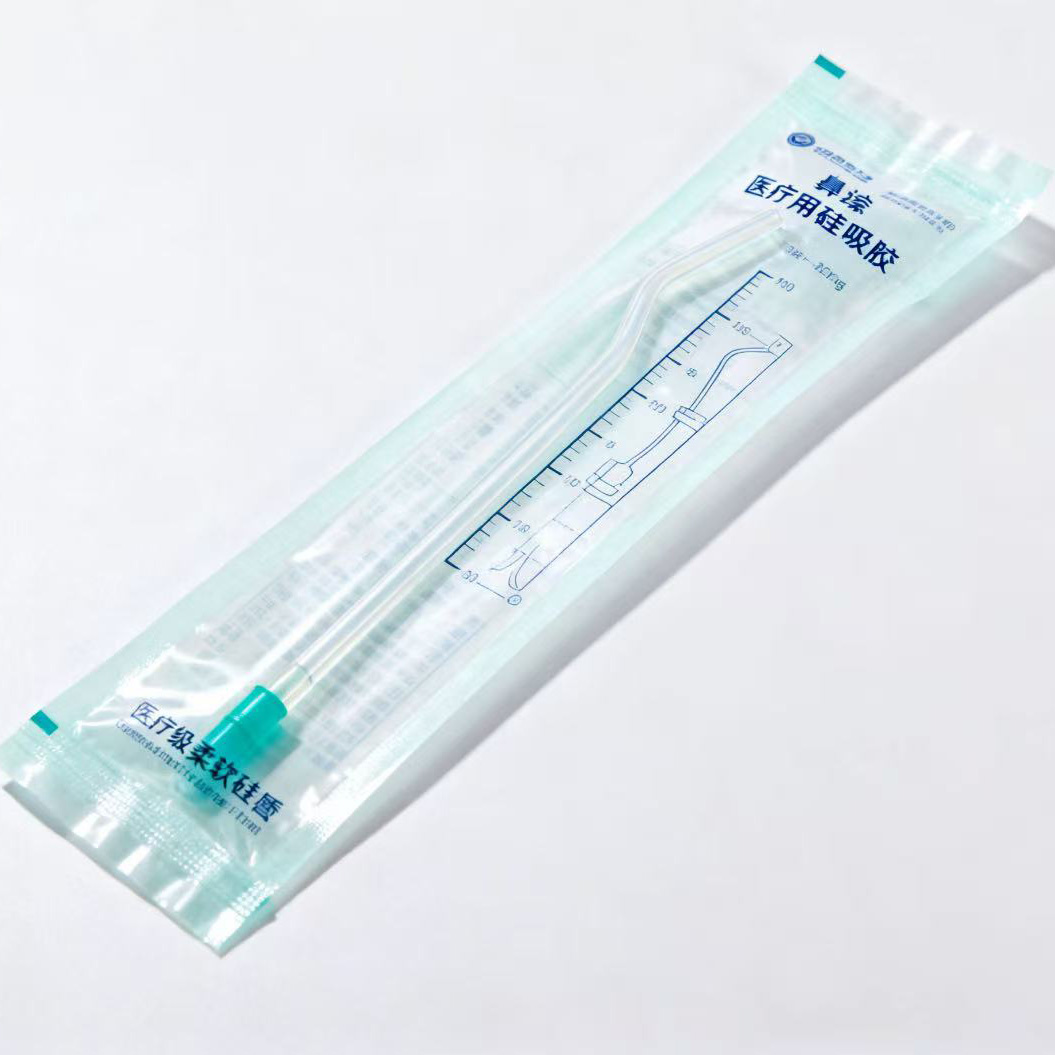
Enteral feeding requires extreme care and precision. A nasal feeding silicone tube must remain exceptionally soft. Extreme flexibility is a strict success criterion. Patient comfort is paramount during insertion through the nasal cavity and down the esophagus. The tube must navigate complex anatomical pathways without causing tissue trauma.
The tube must not kink after sterilization. A kink blocks the flow of vital nutrition or medication. EtO is the preferred method here. It maintains the ultra-soft durometer required for patient comfort. Controlled gamma is also acceptable for single-use items, provided the dosage is kept at the lower end of the spectrum (e.g., 25 kGy) to minimize stiffening. Autoclaving poses severe risks for this application. It increases stiffness significantly over repeated cycles. A stiff tube causes severe tissue irritation and compromises the safe bend radius, increasing the likelihood of kinking during patient movement.
Pediatric and neonatal applications demand absolute chemical purity. A baby feeding silicone straw requires flawless safety profiles. Leachables must be entirely absent, as neonatal immune and metabolic systems are highly vulnerable to chemical exposure. High clarity is essential for operational safety. Caregivers need visual fluid monitoring constantly to detect air bubbles, verify flow rates, and ensure no particulate matter enters the fluid pathway.
High-purity platinum-cured formulations are mandatory for these devices. EtO or steam autoclaving work best for these products. You must avoid gamma irradiation here. Gamma destroys optical clarity. It causes unwanted yellowing that suggests material degradation or contamination to end-users. Clarity is a primary functional requirement for pediatric feeding, making gamma an unacceptable trade-off despite its processing efficiency.
Peristaltic pumps subject tubing to brutal mechanical conditions. The tubing sits inside a curved track while rotating rollers compress it repeatedly to drive fluid forward. Success requires high rebound resilience. The tubing must snap back to its original shape instantly after the roller passes. The inner diameter must remain perfectly consistent to ensure accurate volumetric dosing. The tube must survive millions of rapid pump cycles without rupturing or shedding particles.
Sterilization impacts pump performance directly. Autoclaving alters the material structure. It changes the initial break-in time. Silicone breaks in faster than PVC naturally, but autoclaving alters the restitution force of the polymer. Autoclaving reduces overall pump life compared to unsterilized tubing due to thermal fatigue. Gamma increases material stiffness. This alters fluid flow rates unpredictably, as the stiffer tube resists compression by the rollers. It lowers mechanical fatigue limits significantly, accelerating spallation. Spallation occurs when the inner wall of the tubing breaks down, shedding microscopic silicone particles into the fluid stream. This is a critical failure mode in pharmaceutical bioprocessing and drug delivery.
You must monitor physical changes rigorously after establishing your sterilization protocol. Measure shifts in tensile strength after every validation cycle using ASTM D412 protocols. Test tear resistance regularly to ensure fittings will not cause propagating failures. Track durometer variations closely. Establish acceptable tolerance limits early in the design phase. Base these limits on the intended device lifecycle and the specific mechanical loads the tubing will experience in the field.
Surface integrity is crucial for patient safety. Watch for micro-cracking along the inner lumen. Use Scanning Electron Microscopy (SEM) during validation to inspect the surface at high magnification. Degraded surfaces invite rapid biofilm formation. Bacteria adhere easily to rough, crazed surfaces, resisting standard flushing protocols. These surface defects also alter fluid dynamics inside the tube, creating micro-turbulences that can damage sensitive biologics or blood cells. Furthermore, degraded surfaces generate dangerous particulates during fluid transfer.
Extractables and Leachables (E&L) profiling is non-negotiable. Regulatory bodies, including the FDA and EMA, demand finished product data. You must test the sterilized product, not the raw resin. Thermal stress from autoclaving mobilizes previously bound oligomers. Radiation from gamma processing releases dormant curing byproducts and creates new degradation compounds. E&L testing, typically conducted via GC-MS (Gas Chromatography-Mass Spectrometry) and LC-MS (Liquid Chromatography-Mass Spectrometry) under ISO 10993-18 guidelines, identifies these new chemical liabilities before they reach the patient.
Material selection serves as your first line of defense against sterilization failures. Specify platinum-cured formulations exclusively for critical medical applications. They outperform peroxide-cured options dramatically. Platinum curing utilizes an addition reaction (hydrosilylation) that bonds the polymer chains without creating volatile byproducts. Peroxide curing relies on free-radical reactions that leave behind acidic residues, such as 2,4-dichlorobenzoic acid. These residues can leach into fluids and cause the tubing to become sticky or cloudy after sterilization.
Platinum curing minimizes volatile byproducts and maximizes thermal stability. This is vital during repeated sterilization cycles. When you specify a medical grade silicone tube, ensure the manufacturer uses high-purity platinum catalysts and performs adequate post-curing baking to drive off any remaining low-molecular-weight siloxanes.
Dimensional stability matters greatly during assembly. Factor in post-sterilization shrinkage during the design phase. Silicone typically shrinks between 2% and 4% during post-curing and subsequent high-heat sterilization. Adjust wall thickness specifications accordingly. Calculate inner and outer diameters carefully to account for this dimensional shift. Tight-tolerance fittings require exact measurements to maintain a secure seal. If the tubing shrinks excessively, it will exert too much force on plastic connectors, potentially cracking them. If it expands or loses compression set, it will leak.
Demand strict vendor validation protocols. Procurement teams must ask for hard data. Request post-sterilization ISO 10993 biocompatibility reports. Demand USP Class VI compliance data on the finished, sterilized material. Insist on lot-to-lot consistency guarantees, backed by Certificates of Analysis (CoA) for every shipment. Do not accept unverified manufacturer claims regarding sterilization compatibility. Require physical testing data that matches your specific sterilization parameters.
No sterilization method is entirely benign. Every process degrades the polymer matrix slightly. The optimal choice requires careful alignment. You must match the sterilization modality with mechanical tolerances. Consider long-term environmental exposures. Adhere strictly to regulatory requirements for the end-use application. Prioritize platinum-cured silicone for high-stress applications. Use Gamma for high-volume single-use items, accepting the slight stiffening it causes. Use EtO for complex or sensitive devices, managing the aeration times strictly. Use Autoclave for reusable clinical settings, monitoring the material for mechanical fatigue.
Request comprehensive material data sheets detailing post-sterilization mechanical properties from your supplier.
Secure physical tubing samples and subject them to your exact sterilization cycles for internal validation testing.
Initiate Extractables and Leachables (E&L) studies early in the design phase using the fully sterilized product.
Establish strict, measurable tolerance limits for dimensional shifts and durometer changes before finalizing the design.
Implement a routine lot-testing protocol to verify that incoming tubing maintains its mechanical integrity after sterilization.
A: Yes, medical grade silicone tubing is highly compatible with steam autoclaving. However, repeated cycles at 121°C or 134°C will eventually cause a gradual loss of elasticity, increased compression set, and potential surface crazing. You must monitor reusable tubing for signs of mechanical fatigue.
A: Gamma radiation causes polymer cross-linking in a silicone tube. This increases its stiffness (durometer) and decreases its elongation capabilities, making it more brittle over time. It also causes a slight yellow tint due to chromophore formation, though this does not affect biocompatibility.
A: Yes, Ethylene Oxide (EtO) is highly effective and causes minimal mechanical degradation to a nasal feeding silicone tube. It preserves the extreme flexibility required for patient comfort. However, because silicone is highly permeable, strict aeration protocols are required to remove toxic gas residuals before patient use.
A: For commercial and clinical pediatric applications, EtO or steam autoclaving are preferred for a baby feeding silicone straw. These methods preserve the optical clarity and flexibility of the material better than gamma irradiation, which causes unwanted yellowing and stiffening.
A: Yes. Sterilization methods, particularly gamma irradiation and autoclaving, alter the molecular structure of the silicone. This changes the material's rebound resilience and alters the required break-in time compared to unsterilized tubing. It also impacts the overall fatigue life of the pump segment.
A: Platinum-cured silicone is the industry standard for repeated sterilization. It utilizes an addition reaction that leaves no acidic byproducts. It offers superior thermal stability, fewer extractables, and better retention of mechanical properties compared to peroxide-cured alternatives.


