
Daily consumption of single-use plastics has reached a critical tipping point. Every single day, consumers discard an estimated 500 million plastic straws. This staggering figure has prompted a fierce global shift toward sustainable alternatives. However, finding the right replacement brings a frustrating material dilemma. Paper options degrade rapidly and ruin your beverage taste. Rigid alternatives like metal or glass create real physical risks, ranging from chipped teeth to severe mouth injuries.
You need an option bridging safety, durability, and usability. A Reusable silicone straw serves as this optimal middle ground. It offers high flexibility, excellent temperature resilience, and strict safety standards for everyday consumers and specialized demographics alike. In this guide, you will discover the unique benefits of flexible drinking materials. We will evaluate temperature resilience, material compliance, and specific use cases to help you make an informed choice.
Safety First: High-quality silicone straws eliminate the physical risks of metal and glass, while remaining 100% free of BPA, PVC, Phthalates, Lead, and Cadmium.
Vessel Compatibility: Modern designs are highly specialized, offering exact lengths and widths for 30–40 oz premium tumblers, narrow water bottles, and thick beverages (smoothies/boba).
Maintenance Reality: While dishwasher-safe, silicone requires specific care protocols (avoiding highly fragranced detergents) to prevent odor absorption.
Specialized Applications: Flexible silicone is the preferred material for bedridden individuals, nursing mothers needing accessible hydration, and toddlers requiring anti-choking designs.
Rigid materials dominate the eco-friendly market, but they introduce unexpected hazards. Consumers frequently complain about stainless steel and glass options. These hard materials elevate the risk of dental damage and palatal injuries. Imagine taking a sip of water while walking, driving, or navigating a turbulent flight. A sudden bump can force a rigid steel tube against your teeth or the roof of your mouth. Dentists report rising cases of chipped enamel directly linked to these unforgiving materials. Flexible silicone bends upon impact, neutralizing these physical dangers entirely.
Thermal conductivity presents another daily frustration. Metal tubes conduct extreme temperatures instantly. If you drink hot coffee through a stainless steel tube, you risk burning your lips. Conversely, drinking iced beverages turns the metal uncomfortably freezing. Silicone acts as a natural thermal insulator. It blocks rapid temperature transfer. You can enjoy a piping hot tea or a frozen margarita in total comfort. Your lips never feel the extreme temperatures hiding inside your cup.
Beyond safety and temperature control, sensory experience matters greatly. Many individuals share a habit of biting their drinkware. A Silicone Straw accommodates this "chew-friendly" nature perfectly. It provides satisfying tactile feedback for users managing oral fixations or specific sensory processing needs. Unlike hard plastics, the soft surface will not splinter or degrade under moderate biting pressure. This resilience makes it a highly inclusive product for neurodivergent individuals and adults managing stress.
Not all flexible materials meet strict safety standards. You must understand the technical differences in curing processes to assess purity. Manufacturers generally use two methods: peroxide curing and platinum curing. Peroxide curing is cheaper but often leaves behind chemical byproducts. "Platinum-cured" represents the undisputed gold standard for material purity. This premium method utilizes platinum as a catalyst. It yields an incredibly clean product containing absolutely no chemical residues, volatile organic compounds, or cheap plastic fillers.
When shopping, look for strict chemical exclusions. Compliant manufacturers provide independent verification confirming their products lack harmful additives. A baseline guarantee must state the item is 100% free from BPA, BPS, PVC, Phthalates, Lead, and Cadmium. Never settle for vague labels claiming "plastic-free." Demand explicit certifications verifying these specific exclusions.
Premium formulations also boast an impressive operating temperature range. High-grade materials safely handle conditions from deep freezing up to 400°F (204°C). This broad threshold makes them compatible with microwave sterilization and steam cleaning. You can boil them repeatedly without causing chemical leaching or structural warping. To clarify these differences, review the compliance comparison below.
Table 1: Standard Food-Grade vs. Platinum-Cured Silicone Specifications | ||
Specification | Standard Food-Grade (Peroxide) | Platinum-Cured (Premium) |
|---|---|---|
Curing Catalyst | Peroxide | Platinum |
Purity Level | Moderate (may contain trace byproducts) | Highest (no chemical residues) |
Odor & Taste | Slight initial chemical smell possible | Completely odorless and tasteless |
Durability | Prone to yellowing over time | Highly resistant to discoloration |
Sterilization | Boiling safe, limited microwave life | Safe for repeated boiling and steam |
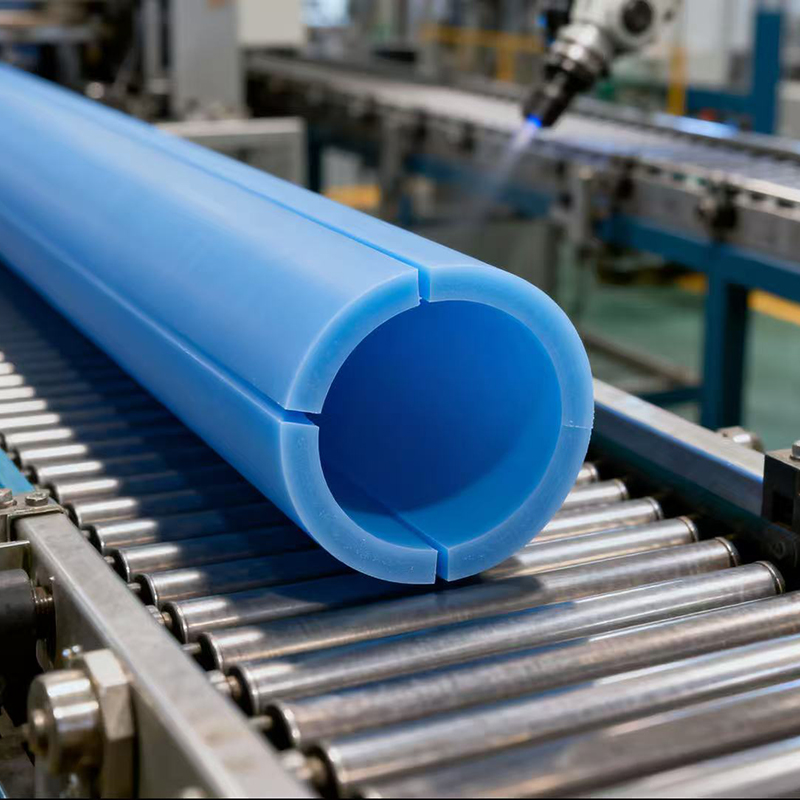
Modern drinkware ecosystems demand specialized sizing. A one-size-fits-all approach no longer works. Manufacturers now engineer specific configurations to match high-capacity insulated cups. If you own a popular 30 oz or 40 oz tumbler, you need an extra-long 10.75-inch configuration. Standard 8-inch versions sink below the lid of these massive containers. Proper sizing prevents frustrating retrieval efforts and keeps your drinking experience hygienic.
Diameter variations play an equally vital role. You must match the internal width to your beverage viscosity. Standard diameters (around 6mm) work perfectly for water, iced coffee, and clear sodas. However, high-viscosity liquids demand extra-wide options (8.5mm to 12mm). These larger diameters effortlessly handle thick milkshakes, dense green smoothies, and boba pearls. Using a narrow tube for a thick smoothie causes suction collapse and user frustration.
Specialized structural designs cater heavily to maternal and pediatric demographics. Pediatric safety requires strict anti-choking measures. The best designs feature one-piece molded construction. These models eliminate detachable silicone tips entirely, neutralizing severe choking hazards for infants. Flexibility also delivers immense value for pregnant or nursing mothers. A bedridden patient or a nursing mother can bend the tube to drink from a reclined position. This feature ensures accessible hydration during critical recovery periods.
For daily commuters, everyday carry (EDC) innovations enhance portability.
Collapsible Designs: Soft tubes fold tightly into pocket-sized carrying tins.
Connectable Segments: Modular pieces snap together to customize length on the go.
Travel Cases: Dedicated hard-shell cases block dust and lint from sticking to the surface.
Keychain Attachments: Small carabiners hook directly to backpacks or purses, ensuring you never leave home unprepared.
Transitioning to flexible alternatives introduces new maintenance realities. The most common negative feedback found in enthusiast forums involves odor absorption. Silicone features a highly porous microscopic structure. It naturally traps strong smells and tastes. If you wash it using heavily fragranced dishwashing liquids or essential-oil-based soaps, the material will absorb those perfumes. Your next glass of water might taste overwhelmingly like artificial lavender or citrus.
You can easily fix this odor absorption challenge by adopting an evidence-based care routine. Proper mitigation requires strict adherence to sterilization protocols.
Select the right detergent: Always use an unscented, mild dish soap. Avoid harsh chemicals and heavy perfumes.
Scrub the interior: Utilize a properly sized bristle brush. Insert it fully through the tube to remove hidden smoothie residue or coffee oils.
Execute deep sterilization: Perform a periodic deep clean by boiling the units in water for 2 to 3 minutes. Alternatively, place them inside an electric steam sterilizer.
Common Mistake: Many users rely entirely on the dishwasher. While top-rack safe, dishwashers rarely blast water directly through the narrow internal channel. This leaves sticky residue trapped inside.
You must also monitor the material for physical degradation. While incredibly durable, aggressive chewers can eventually damage the biting ends. Users should inspect the tips periodically. Look closely for micro-tears, fraying edges, or structural breakdown. Discard any compromised units immediately to maintain optimal safety and prevent accidental ingestion of small fragments.
Choosing the correct product requires deliberate shortlisting logic. First, you must identify your primary vessel. Map your purchase directly to the container you use most often. Rigid, narrow-neck water bottles require soft, highly bendable tubes. Large, wide-mouth tumblers require extra-long units featuring a slightly thicker, rigid base to stir heavy ice cubes easily.
Next, assess the specific user profile. Determine if the primary user requires specialized safety features. Toddlers need integrated anti-choking stopper rings or molded icons preventing the tube from pulling out of a cup lid. Seniors or individuals experiencing sensitive teeth might require extra-soft bite valves for maximum comfort.
Finally, verify all material certifications. Advise buyers to strictly bypass vaguely labeled "plastic alternatives." These cheap knock-offs often blend silicone with standard plastics, compromising heat resistance and safety. Look specifically for phrasing guaranteeing "100% Platinum-cured food-grade silicone." Transparent brands will prominently display their chemical exclusion labeling on the packaging.
Use the following comparison chart to align your daily scenario with the ideal specification.
Chart: Purchasing Decision Matrix | |||
User Scenario | Recommended Length | Recommended Diameter | Key Feature to Look For |
|---|---|---|---|
40 oz Tumbler Commuter | 10.5" - 11" | Standard (6-8mm) | Thick wall construction for ice stirring |
Smoothie / Boba Lover | 8.5" - 9" | Extra-Wide (10-12mm) | Rigid base to puncture boba cup seals |
Toddler / Infant | 5" - 6" | Standard (6mm) | One-piece molded design (anti-choking) |
Frequent Traveler | Standard 8" | Standard (6mm) | Collapsible body and travel case |
Bedridden / Nursing | 9" - 10" | Standard (6-8mm) | High flexibility for angled drinking |
A reusable silicone straw serves as much more than a trendy eco-friendly accessory. It provides a massive functional upgrade over cheap single-use plastics and dangerous rigid reusable alternatives. You gain unparalleled physical safety, exceptional temperature resistance, and unmatched versatility across different beverage types. By selecting the correct size and diameter for your preferred drinkware, you elevate your daily hydration experience.
Investing in high-grade, properly sized materials eliminates the compromises of older alternatives. As long as you respect the material's unique properties, these items will last for years. Take action today to upgrade your drinkware ecosystem.
Audit your current drinkware to identify the specific lengths and diameters you require.
Purchase only 100% platinum-cured products to ensure maximum chemical safety.
Switch your kitchen to an unscented dish soap to prevent unwanted flavor absorption.
Implement a weekly boiling routine to keep your drinkware deeply sterilized and odor-free.
A: Yes. High-quality food-grade silicone is heat-resistant and will not melt, deform, or leach chemicals in hot coffee or tea, unlike traditional plastics.
A: Silicone is porous to certain fragrances and oils found in scented dish soaps. To remove the taste, boil the straw in water for 2-3 minutes, and switch to an unscented detergent for future cleanings.
A: With proper care, they can last for years. However, their lifespan depends heavily on usage habits; heavy chewers may need to replace them more frequently if the material begins to break down or fray at the ends.
A: Yes, most are top-rack dishwasher safe. However, to prevent detergent residue buildup and ensure the inside is fully cleaned, handwashing with the included cleaning brush is strongly recommended.


