
Silicone is a highly versatile material widely used across various industries due to its exceptional properties. Known for its high-temperature resistance, chemical durability, and flexibility, silicone is capable of withstanding extreme conditions that would degrade many other materials. Its unique characteristics make it ideal for applications in industries such as automotive, aerospace, food processing, pharmaceuticals, and medical devices. Silicone’s biocompatibility and non-toxicity further enhance its appeal for use in sensitive environments like healthcare and food production. As a result, silicone has become a go-to material for everything from seals and gaskets to electrical insulation and consumer products, demonstrating its remarkable adaptability and reliability in a wide range of applications.
Silicone is extensively used in the automotive industry, particularly for sealing engine components, exhaust systems, and cooling systems. Its ability to withstand extreme temperatures and resist chemical exposure makes it an ideal material for sealing parts that experience constant stress and high heat. Silicone gaskets and seals ensure that engine components are leak-free and function efficiently over long periods, even in harsh conditions.
In the aerospace sector, silicone plays a crucial role in sealing and insulating components exposed to high pressures and extreme temperatures. Whether in aircraft engines, fuel systems, or avionics, silicone gaskets and seals provide reliable performance, ensuring that sensitive components remain sealed and protected from environmental contaminants. Its high-temperature resistance and durability make it indispensable in aerospace applications.
Silicone’s non-toxic and FDA-approved properties make it ideal for sanitary seals in food processing and pharmaceutical manufacturing equipment. It is commonly used in food-grade gaskets, hoses, and seals, ensuring that no harmful chemicals contaminate the products. Silicone gaskets help maintain a hygienic environment in sensitive areas, such as in brewing, dairy, and pharmaceuticals, where purity and safety are paramount.
Silicone’s biocompatibility and non-reactivity make it the preferred material in medical devices such as implants, surgical instruments, and prosthetics. Due to its flexibility and long-term reliability, silicone is used in devices that come into direct contact with the human body. It is non-toxic, does not cause adverse reactions, and is capable of withstanding the sterilization processes required in medical settings.
Silicone is also commonly found in consumer products, such as kitchenware, baby products, and electronic components. Its versatility allows it to be molded into various forms, making it ideal for items like bakeware, baby bottle nipples, and smartphone cases. Silicone is valued for its flexibility, non-stick properties, and ability to resist wear and tear, which is essential in products used daily.
In the construction industry, silicone is used to seal windows, doors, and other structural components in buildings. Its weather resistance and flexibility make it ideal for sealing joints and preventing air or water leakage. Silicone sealants are also used to provide insulation and soundproofing, enhancing the energy efficiency and comfort of buildings, especially in areas exposed to moisture and extreme weather conditions.
Silicone is increasingly the material of choice in various demanding industries due to its exceptional properties that meet the rigorous requirements of applications in fields such as automotive, aerospace, medical, food processing, and more. Here’s why silicone is so highly preferred:
One of the standout features of silicone is its ability to withstand extreme temperatures, ranging from -60°C to 300°C and even higher in certain specialized formulations. This makes silicone the ideal material for automotive engines, aerospace components, and high-heat industrial applications. Silicone gaskets, seals, and O-rings can maintain their integrity and performance even in environments that would cause other materials to fail. Whether exposed to high engine temperatures or the fluctuating conditions of an aircraft, silicone ensures long-lasting reliability and seal integrity.
Silicone’s chemical resistance is another crucial factor driving its widespread use in industries such as food processing and chemical manufacturing. It resists degradation from oils, solvents, acids, and other chemicals, which is why it is often chosen for seals and gaskets in equipment exposed to such substances. Additionally, silicone exhibits outstanding resistance to UV radiation, ozone, and weathering, making it perfect for outdoor applications. Whether used in aerospace or construction for sealing exterior components, silicone can maintain performance and appearance for extended periods under harsh environmental conditions.
Silicone’s flexibility and biocompatibility are key reasons it is widely used in medical devices and food-related applications. Its ability to conform to irregular surfaces and maintain a reliable seal makes it perfect for implants, surgical instruments, prosthetics, and food-grade seals. Silicone is non-toxic, non-reactive, and does not cause adverse reactions in the body, which is why it is preferred in medical fields. In food processing, silicone gaskets ensure sanitary seals that prevent contamination, meeting the stringent hygiene standards required by the industry. Its FDA-approved status further assures its safety in environments where human contact is frequent.
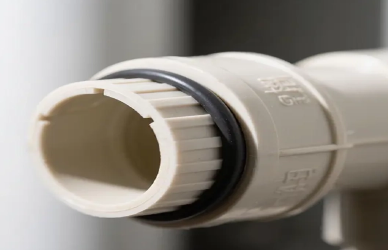
Silicone’s unique properties offer numerous advantages that make it the preferred material across a wide range of industries. Its long lifespan, reliability, and minimal maintenance make it ideal for critical applications where durability is paramount. Additionally, its safety and non-toxicity further elevate its value in sensitive sectors like medical and food processing. Let’s take a closer look at the benefits of using silicone in various industries:
Silicone gaskets, seals, and components are known for their exceptional durability. They can withstand extreme temperature fluctuations, chemical exposure, and physical stress without degrading over time. This makes silicone highly reliable in automotive, aerospace, heavy machinery, and industrial applications. Unlike many other materials, silicone doesn’t crack, harden, or lose flexibility under harsh conditions, which leads to a long lifespan and reduces the need for frequent replacements. Minimal maintenance is required once silicone components are properly installed, helping reduce long-term maintenance costs and downtime in manufacturing processes.
In sectors such as medical devices and food processing, safety is a top priority. Silicone is biocompatible and non-toxic, making it the ideal material for applications that come into direct contact with the human body or food products. It doesn’t release harmful substances, ensuring the safety of patients, consumers, and workers. In the medical field, silicone is used in implants, surgical instruments, prosthetics, and catheters due to its flexibility, biocompatibility, and sterilization compatibility. In food processing, silicone’s FDA-approved status ensures that it can be safely used for gaskets, seals, and hoses in food production equipment without the risk of contamination.
Silicone’s high-performance properties make it invaluable in industries where components are exposed to extreme temperatures, harsh chemicals, and constant wear and tear. In the automotive and aerospace industries, silicone gaskets and seals are used to withstand high-pressure, high-temperature environments while ensuring a reliable seal and preventing leaks. Silicone’s ability to resist UV radiation, ozone, and weathering further ensures that components last longer, even when exposed to outdoor elements.
One of the most significant advantages of silicone is its versatility. It is used in a wide array of industries, from automotive and aerospace to consumer goods and construction. Silicone's flexibility allows it to be molded into various shapes and sizes, making it suitable for sealing, insulating, and protecting components in a variety of applications. In consumer goods, silicone is found in kitchenware, baby products, and electronics, thanks to its non-stick properties, durability, and ability to resist wear.
Silicone’s temperature resistance, chemical stability, and flexibility make it suitable for demanding environments, from high-heat automotive parts to medical devices.
Yes, silicone is commonly used for electrical insulation due to its high dielectric strength and ability to withstand extreme temperatures.
Yes, silicone is FDA-approved and non-toxic, making it ideal for food processing, kitchenware, and baby products.
Silicone is widely used in automotive, aerospace, food processing, medical, and construction industries due to its versatility and resilience in extreme conditions.
Silicone stands out as an exceptionally versatile material, widely used across a variety of critical industries due to its unique properties. From the automotive and aerospace sectors to medical devices, food processing, and consumer goods, silicone’s ability to withstand extreme temperatures, chemical exposure, and mechanical stress makes it the material of choice for applications that require reliability, long lifespan, and minimal maintenance. Its biocompatibility, non-toxicity, and resistance to UV light, ozone, and weathering further enhance its value in sensitive environments, such as in medical and food-related applications. Silicone’s exceptional flexibility, durability, and performance under challenging conditions ensure that it continues to meet the demands of industries where safety and long-term reliability are paramount. Whether used for seals, gaskets, or insulation, silicone proves time and time again to be a material that delivers both efficiency and performance across a wide range of industries.


