
Author: Site Editor Publish Time: 2026-07-02 Origin: Site
Using inadequate elastomers in high-temperature environments poses severe operational risks. Premature degradation and sudden seal failure frequently cause unplanned downtime. These material failures halt production lines immediately. They also damage expensive industrial machinery. You cannot afford unexpected leaks. A specialized approach is necessary to solve this pressing issue.
We introduce the heat resistant silicone sheet to bridge the critical gap between flexible sealing requirements and extreme thermal stress. It resists intense heat. It also maintains essential elasticity under extreme pressure. High-heat environments demand uncompromising material performance. Upgrading your sealing components directly protects your bottom line.
This article evaluates the core performance benefits of these resilient materials. We compare them against alternative elastomers objectively. You will learn crucial specification criteria. These insights directly guide your future purchasing decisions.
Heat resistant silicone sheets maintain mechanical integrity and flexibility in temperatures ranging from -60°C to over 230°C (with specialized grades exceeding 300°C).
Beyond thermal stability, they offer superior resistance to compression set, ozone, UV, and moisture, ensuring long-term lifecycle value.
Selecting the right sheet requires balancing durometer (hardness), material structure (solid vs. sponge), and industry-specific compliance (FDA, UL94).
While upfront costs may be higher than standard rubber, long-term expenses decrease due to extended maintenance intervals and reduced failure rates.
Standard commercial rubbers fail under continuous high heat. Materials like natural rubber or standard Neoprene cannot survive extreme thermal conditions. Their internal polymer chains break down rapidly. They become brittle and crack within hours. They lose their critical sealing pressure completely. You will notice immediate hardening when exposing standard elastomers to temperatures above 100°C. The material stops functioning as a dynamic seal. It acts more like a fragile plastic.
This material failure leads directly to severe business outcomes. Equipment suffers catastrophic damage when hot fluids escape. Workers face immediate safety hazards from sudden chemical blowouts. Compliance breaches happen when toxic gases leak into the environment. Line shutdowns cripple your daily production output. Every minute of downtime costs thousands of dollars. You face expensive emergency repair bills. Replacing degraded gaskets requires extensive labor hours.
A high-temperature material must meet a strict baseline threshold. It must resist thermal degradation completely. It cannot sacrifice vital elasticity during continuous operation. It needs to compress and recover perfectly. Maintaining shape under pressure is non-negotiable for industrial sealing. Upgrading to a premium material solves these costly issues. You establish a reliable physical barrier against extreme heat. You ensure continuous and safe operational workflows.
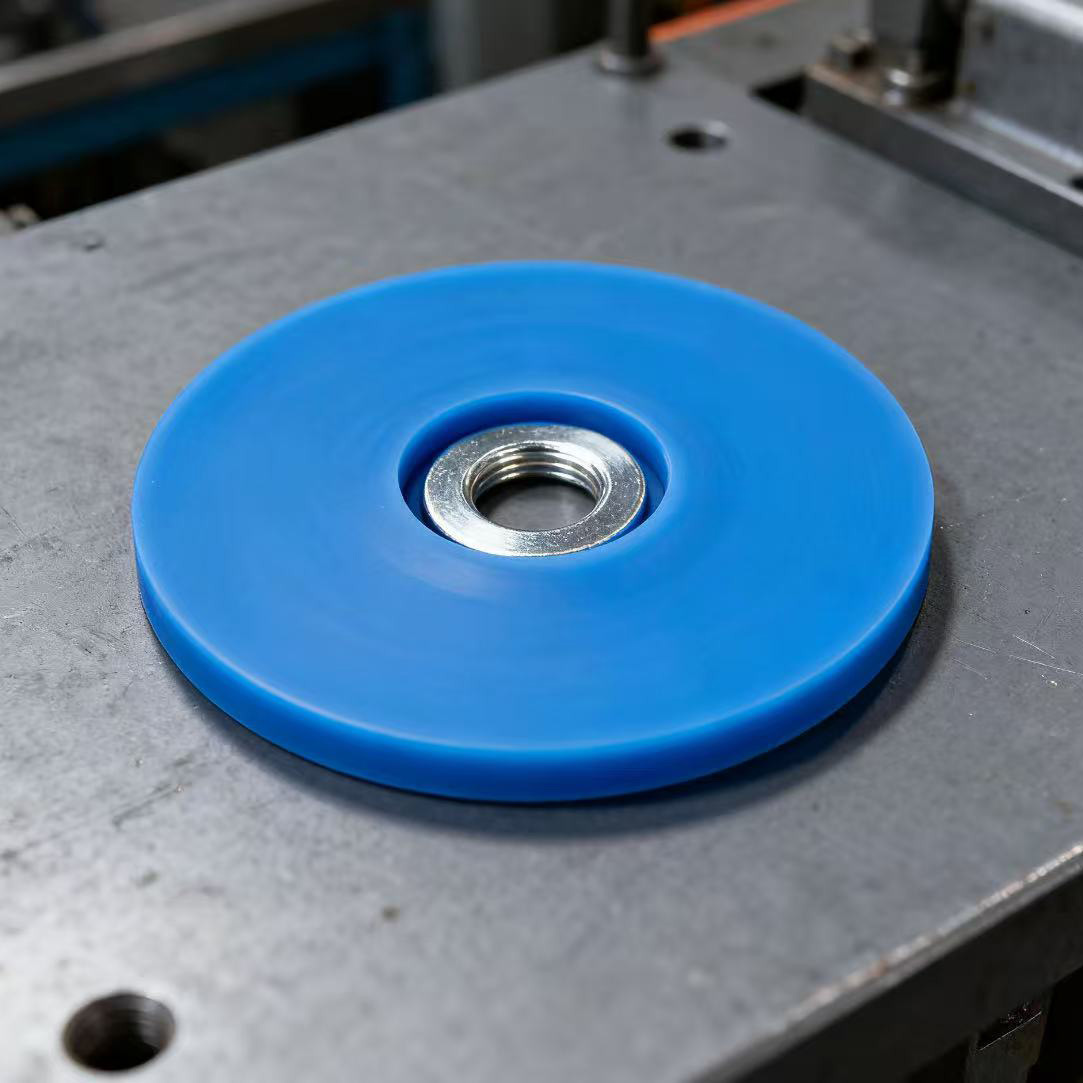
High-temperature environments demand exceptional material properties. A Silicone Sheet delivers unparalleled resilience in these harsh conditions. It provides a unique combination of thermal stability and physical flexibility. We must examine its core performance attributes closely. Understanding these benefits helps engineers select the right material.
Standard high-temp silicone operates comfortably up to 230°C (450°F). It handles this heat continuously without losing structural integrity. Extreme high-temperature (EHT) formulations push these boundaries even further. They handle up to 315°C (600°F) intermittently. You rely on them near exhaust systems or heavy industrial furnaces. Most traditional rubbers melt or burn at these extremes. Silicone retains its elastic properties across huge temperature swings. It even remains highly flexible down to -60°C. This makes it perfect for aerospace applications.
Maintaining shape under physical load is critical for gaskets. Compression set measures how well a material bounces back. High heat usually destroys a rubber's ability to recover. Silicone exhibits an incredibly low compression set. It bounces back aggressively after heavy compression. It prevents dangerous leaks over long operational periods. Your seals maintain constant pressure against mating surfaces. You avoid the common problem of flattened, useless gaskets.
Industrial environments expose materials to multiple destructive elements. Silicone excels at resisting outdoor weathering factors. It stands up to intense UV rays. It ignores ozone exposure completely. It does not dry out or crack in direct sunlight. It also demonstrates excellent inertness to mild chemicals. It repels moisture and prevents fungal growth. You can trust it in damp, exposed outdoor environments.
Many industries enforce strict regulatory safety standards. Manufacturers produce specific silicone grades to meet these demanding industrial requirements. You can source specialized materials easily.
FDA-Approved: Safe for direct food and beverage contact.
UL94 V-0: Certified for high flame retardancy in electronics.
REACH and RoHS: Compliant with global environmental safety directives.
Medical Grade: Biocompatible for pharmaceutical and healthcare applications.
Engineers often compare various elastomers for sealing applications. We must evaluate these alternative materials objectively. Understanding their specific strengths helps you make informed choices. Every material has unique operational limits.
EPDM handles weather and water exceptionally well. Many facilities use it for outdoor roofing or municipal water pipes. However, EPDM degrades rapidly when temperatures exceed 150°C. It loses its elasticity quickly in extreme heat. Silicone wins decisively in high-temperature environments. It also dominates in food-grade processing applications. You should choose silicone when thermal stress is your primary concern. EPDM simply cannot survive furnace doors or hot engine bays.
PTFE handles extremely harsh chemicals and high heat perfectly. It survives corrosive environments effortlessly. However, PTFE is inherently rigid. It lacks the necessary elasticity for dynamic sealing. It cannot conform easily to uneven metal surfaces. Silicone provides the required compressibility. It easily fills microscopic gaps between flanges. You need silicone when the seal experiences vibration or physical movement. PTFE works best as a static glide surface.
Many buyers express skepticism regarding raw material pricing. We acknowledge silicone carries a premium upfront cost. Standard commercial rubber is undoubtedly cheaper to purchase initially. However, you must justify the financial return through longevity. Silicone dramatically reduces replacement labor in high-stress applications. Your machinery runs longer between scheduled maintenance intervals. You avoid the catastrophic expenses of unplanned equipment failures. The initial investment pays off through continuous operational uptime.
Material Type | Max Continuous Temp | Elasticity | Chemical Resistance | Best Application |
|---|---|---|---|---|
Natural Rubber | 80°C | High | Low | General vibration dampening |
EPDM | 150°C | Medium | Medium | Outdoor weather sealing |
PTFE | 260°C | Very Low | Very High | Static chemical barriers |
Silicone | 230°C+ | Very High | Medium | Dynamic high-heat sealing |
Selecting the correct formulation is crucial for operational success. You cannot treat all silicone materials interchangeably. You must match the physical properties to your specific environment. Careful specification prevents premature seal failure.
The internal structure of the material dictates its performance. You must choose between solid and sponge varieties carefully. They serve entirely different engineering purposes.
Solid Silicone: This structure is dense and highly durable. It works best for high-pressure sealing environments. It handles heavy physical impact easily. Solid grades are mandatory for strict sanitary environments. Food processing plants require solid surfaces to prevent bacterial growth.
Sponge Silicone: This structure features microscopic air pockets. It is ideal for uneven or rough mating surfaces. It provides excellent thermal insulation. You specify sponge applications requiring high compressibility. It requires much lower closure force to create an effective seal.
Durometer measures the physical hardness of the rubber. You use the Shore A scale to specify this property. Choosing the wrong durometer guarantees premature seal failure. You must evaluate your closure force.
30 to 40 Shore A: These grades are exceptionally soft. They are highly conformable. You use them for delicate enclosures or uneven plastic housings.
50 to 60 Shore A: This is the standard middle ground. It balances flexibility with structural toughness. It serves well for general-purpose industrial gaskets.
70 to 80 Shore A: These grades are rigid and highly durable. They resist physical abrasion well. You specify them for heavy metal flanges under extreme bolt pressure.
We must warn buyers about dangerous adhesive limitations. Many people overlook the backing material entirely. A high-quality heat resistant silicone sheet easily survives 250°C. However, standard Pressure Sensitive Adhesive (PSA) backings fail around 150°C. The adhesive melts away rapidly. The gasket then slips out of place. You must specify high-temp acrylic adhesives. Alternatively, you should request specialized silicone-based adhesive backings. Matching the adhesive's thermal rating to the silicone is an absolute necessity.
Sourcing specialized industrial materials requires a methodical approach. You need reliable partners to ensure consistent product quality. Rushing the procurement process often leads to costly errors.
You must evaluate your potential suppliers rigorously. Look for complete traceability of the raw material. Ask if they provide custom cutting or slitting capabilities. In-house fabrication saves you significant time and money. Always demand comprehensive technical data sheets. A trustworthy vendor happily shares material test reports. They prove their compliance with industry safety standards. They also offer clear communication during the quoting process.
Never skip the prototyping phase for critical applications. We strongly recommend requesting physical material samples first. You need to test compression and thermal limits practically. Place the sample into your actual operating environment. Monitor how it behaves under real heat and pressure. Verifying performance before bulk ordering prevents expensive engineering mistakes. It also validates your durometer selection.
You have defined your preliminary operational requirements. Promptly review the technical spec sheets from your selected vendors. Calculate the exact required thicknesses for your flanges. You should consult directly with a specialized material engineer. They help you develop custom formulations for unique environments. Clear communication prevents costly delays during the final procurement phase. Prepare your prototype testing parameters immediately.
The primary benefit of a heat resistant silicone sheet is reliable elasticity. It maintains constant sealing pressure in environments where standard elastomers fail completely. It prevents catastrophic leaks during extreme thermal stress. You protect your equipment and your personnel simultaneously.
Careful specification remains the ultimate key to success. You must evaluate the specific grade, durometer, and adhesive backing. Unlocking the full return on investment requires exact material matching. You dramatically reduce emergency maintenance and costly production downtime.
Now is the time to upgrade your thermal sealing strategy. Browse specific silicone sheet product lines to match your requirements. Request a physical material sample for immediate environmental testing. Contact your technical sales team today for dedicated application assistance.
A: Standard high-temperature grades comfortably withstand continuous operations up to 230°C (450°F). Extreme high-temperature (EHT) formulations handle up to 315°C (600°F) for intermittent periods. The exact limit depends heavily on the specific chemical formulation and the duration of heat exposure.
A: Yes, they perform exceptionally well outdoors. Silicone offers superior resistance to UV degradation, ozone exposure, and general weathering. It repels water effectively and will not crack or become brittle when exposed to direct sunlight or freezing winter temperatures.
A: Industrial grades are not typically food safe. However, manufacturers produce specific FDA-compliant grades. These specialized versions use non-toxic curing agents. They are completely safe for direct contact with food, beverages, and sensitive pharmaceutical products.
A: You can fabricate them using several standard methods. Die-cutting works best for high-volume, uniform gaskets. Waterjet cutting provides precise tolerances for thick or complex shapes. Manual slitting with sharp utility blades remains effective for simple, low-volume prototype adjustments.


