


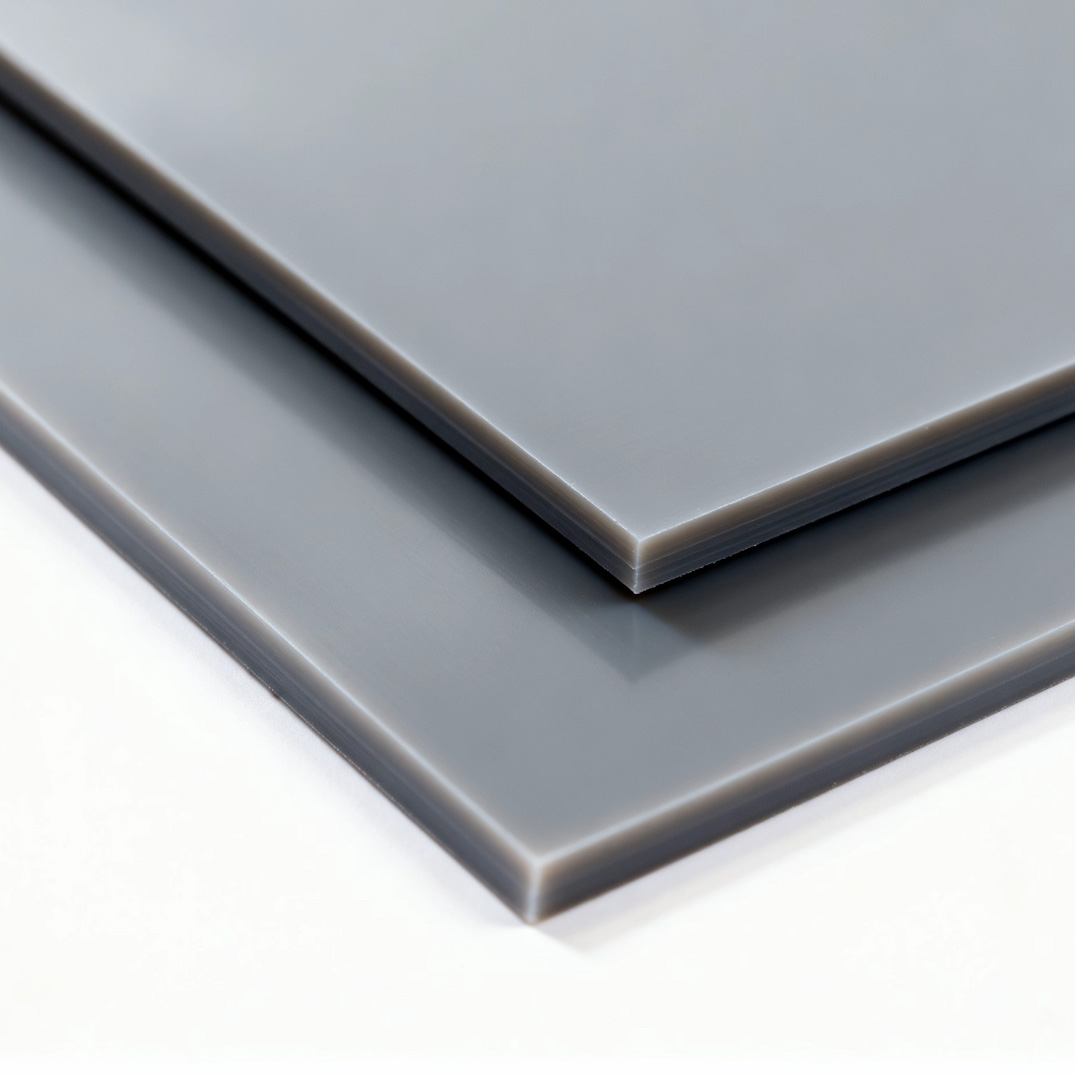


Advantages and characteristics of aviation customised high-temperature resistant silicone sheet products
Aviation customised high-temperature silicone sheet is a special functional component developed for extreme working conditions (high temperature, high pressure, strong vibration, complex media) in the aerospace field. Its core advantage lies in the deep combination of ** "performance-oriented customisation" and "aviation-grade reliability"**, which can be developed from the following seven dimensions:
The advantage of extreme environmental tolerance: adapting to the harsh working conditions of aviation
1. Ultra-wide temperature range stability performance
• Core indicators: The temperature resistance range covers -60℃~300℃ (special customised models can reach 350℃ short-term tolerance). In high-temperature areas such as engine compartments and electronic equipment compartments, or in high-altitude and low-temperature environments, it can still maintain stable elasticity and mechanical properties, without hardening, cracking and melting.
• Technical support: High-purity methyl vinyl silicone is used as the substrate, and high-temperature-resistant fillers such as iron oxide and titanium dioxide are added to strengthen the thermal stability through the siloxane cross-linked structure, which meets the high-temperature resistance standards of aviation materials AMS 3302 (U.S. military standard) and GB/T 28773 (national standard).
2. Resistance to multi-medium erosion
• Tolerance range: It can resist the erosion of aviation fuel, hydraulic oil (such as phosphate ester hydraulic oil), engine lubricant, ethylene glycol coolant and high-altitude ozone and water vapour. The volume change rate after long-term immersion is ≤3%, and there is no swelling, dissolution or performance decay.
• Application scenario: It is used for engine fuel pipeline gaskets and hydraulic system interface gaskets to avoid the risk of sealing failure caused by medium corrosion.
II. Customised depth advantages: accurately match aviation aliens/special needs
1. All-dimensional customisation ability
• Size and shape customisation: The mould can be accurately opened according to the CAD drawings of aviation components (such as CATIA and UG models), and adapted to the shaped structures (such as curved engine compartment gaps, irregular electronic cabin covers). The dimensional accuracy can reach ±0.05mm, which can meet the requirements of aviation-grade tolerance.
• Performance-oriented customisation: adjust the core parameters according to the specific working conditions:
◦ Hardness: 30~70 Shore A (for example, choose 60~70 Shore A high-hardness anti-squeezing model around the engine, and choose 30~40 Shore A soft anti-scratch for electronic equipment);
◦ Structure: customised single-layer/composite layer (such as fluororubber coating on the surface to enhance oil resistance, and glass fibre cloth on the inner layer to enhance strength), with positioning holes/grooves/backing glue (the backing glue is made of aviation-grade pressure-sensitive rubber, which is resistant to high temperature and easy to peel off).
2. Industry-exclusive function customisation
• Integrated function: the multi-function integration of "sealing + shock absorption + insulation", such as the customised silicone sheet at the cabin door hinge, which not only seals and dustproof, but also reduces the damage to the hatch structure through elastic buffering. At the same time, it has an insulation performance of more than 10⊃1;4Ω to avoid electrostatic interference.
• Special process customisation: supports a variety of processes such as moulding, extrusion, laser cutting, etc. Precision moulding is used for thin-walled parts (such as drone motor gaskets), and laser cutting is used for large-area cover parts (such as radar cover gaskets) to ensure edge flatness.
III. Reliability and safety advantages: meet the requirements of aviation "zero failure"
1. Low-risk long-life design
• Anti-fatigue and ageing: After 10,000 high and low temperature cycles (-60℃~300℃) and 5,000 hours of high-temperature ageing tests, the elastic retention rate is ≥85%, no cracks or deformation, and the service life can reach the entire life cycle of aviation components (such as the life of fuselage structural parts is more than 20 years) .
• No harmful volatilisation: Through FDA 21 CFR 177.2600 and aviation materials VOC (volatile organic matter) detection, no harmful gases such as formaldehyde and benzene are released at high temperatures to avoid polluting the cabin environment or affecting the performance of electronic components.
2. Flame retardant and safety compliance
• Flame retardant level: meet the UL 94 V-0 flame retardant standard, self-extinguishing when encountering an open flame (extinguishing time ≤10 seconds), and low smoke density during combustion (in line with ASTM E662 standard), no toxic gases (such as hydrogen chloride) are generated, ensuring the safety of cabin personnel.
• Complete certification: Passed the mainstream certification of the aviation industry, such as EU EASA, U.S. FAA material certification, and China Shangfei C919 supplier material qualification audit.
IV. Lightweight and structural adaptation advantages: meet the needs of aviation weight reduction
1. Lightweight material characteristics
• Density advantage: The density of silicone is only 1.1~1.3g/cm³, which is much lower than that of metal gaskets (such as stainless steel 7.9g/cm³, aluminum 2.7g/cm³). Single components can reduce weight by 30%~60%, helping aviation equipment (especially drones and helicopters) reduce fuel consumption and load pressure. Power.
• Flexible adaptability: It can fit irregular curved surfaces (such as engine turbine shells and fuselage skin gaps), without the need for secondary processing and adaptation of aviation parts, reducing the cost of structural modification.
2. Low compression permanent deformation
• Core indicators: At a compression rate of 200℃ and 25%, the compression permanent deformation rate is ≤10% (far better than the 20% of ordinary silicone). After long-term pressure, it can still bounce back and reset to ensure the stability of the sealing gap and avoid air leakage and oil leakage caused by deformation.
V. Advantages of high precision and consistency: meet aviation mass production standards
1. Production precision control
• Moulding accuracy: Adopt high-precision injection mould (processing accuracy ±0.01mm) and cooperate with automated production equipment to ensure the consistency of the size, hardness and performance of bulk products (deviation ≤5%), and avoid assembly problems caused by individual differences.
• Surface quality: surface roughness ≤Ra0.8μm, no bubbles, impurities, rough edges, can be directly used to seal high-precision components such as optical equipment cabins and radar systems to avoid scratching or contamination of precision components.
2. Full-process quality control
• Testing system: From raw materials (such as silicone purity testing), production processes (such as vulcanisation temperature real-time monitoring) to finished products (such as temperature resistance, oil resistance, tensile strength testing), they are all controlled by the ISO 9001 aviation quality management system. Each batch of products comes with a "quality inspection report" and can be traced back to production. Information.
VI. Multi-functional integration advantages: simplify the design of aviation components
1. Multi-substitution in one material
• Replace the combination structure of the traditional "metal gasket + rubber seal + insulation sheet", such as the customised silicone sheet of aviation generators, and at the same time realise the function of "sealing oil protection + shock absorption buffer + electrical insulation", reducing the number of components, simplifying the assembly process, and reducing the failure rate.
• Application case: The customised silicone sheet of the helicopter avionic system not only seals moisture-proof (protection level IP67), but also absorbs the vibration of the fuselage through elastic deformation, and can also isolate the conductive risk of the circuit and the metal shell.
2. Expansion of environmental adaptability
• Customised enhanced functions for special aviation scenarios:
◦ Radiation-resistant type: add lead powder and other shielding fillers to seal the radiation environment of nuclear-powered aircraft and satellites;
◦ Conductive type: mixed with carbon fibre, used for electrostatic release parts (such as fuel tank cap gasket) to avoid electrostatic accumulation and explosion;
◦ Low-odour type: food-grade silicone substrate is used for cabin interior sealing to meet the comfort requirements of passengers.
VII. Cost and maintenance advantages: reduce the cost of the whole life cycle
1. Low cost for long-term use
• Although the initial purchase cost is higher than that of ordinary silicone sheets, the cost of the whole life cycle can be reduced by more than 40% due to its long life (which can reduce the number of replacements) and low failure rate (to avoid equipment maintenance caused by sealing failure).
• Convenience of maintenance: Customised silicone sheets with backing glue can be directly torn and replaced without professional tools, shortening the maintenance downtime of aviation equipment (for example, during the maintenance of passenger aircraft engines, the gasket replacement time is shortened from 2 hours to 30 minutes).
2. Customised cost reduction design
• It can optimise the structure according to customer needs (such as reducing redundancy thickness and integrating auxiliary positioning structure) to avoid material waste; at the same time, it supports small-batch customisation (minimum order of 100 pieces) to meet the small-batch needs of aviation test parts and modified parts, and reduce research and development costs.
Summary: Core Competitiveness Positioning
The core feature of aviation customised high-temperature resistant silicone sheet is ** "based on aviation-grade reliability, with full-dimensional customisation as the core, and multi-function assembly as an advantage"**. By accurately matching the extreme working conditions, high-precision requirements and lightweight needs of the aviation field, it has become an aviation engine, avionic power system, fuselage structure, etc. The value of the "indispensable functional material" of key components lies not only in "metting the needs of use", but also in "improving the safety, reliability and economy of aviation equipment".
FAQ:
Frequently asked questions and answers about aviation customised high-temperature resistant silicone sheet
I. Performance and high temperature resistance issues
1. Question: Customised silicone sheets soften and deform under the high-temperature working conditions of aviation equipment (such as engine cabin, electronic cabin), which cannot meet the sealing/insulation needs.
Answer: The core reason is that the temperature resistance level of the silicone sheet does not match the actual working conditions. It is necessary to confirm the actual working temperature of the equipment (short-term peak/long-term constant temperature) and replace the customised products of the corresponding level: for example, for the long-term 250℃, choose "high-temperature resistant 250℃ silicone rubber sheet, and for the short-term 300℃ or above, choose "phenyl silicone rubber" or "fluorosilicone rubber" customised sheet. At the same time, the manufacturer is required to provide a temperature-resistant performance test report (such as thermal ageing test data).
2. Problem: Silicone sheets crack and fail in the high and low temperature cycle of aviation equipment (such as -50℃~200℃).
Answer: Because the selected silicone substrate has insufficient resistance to high and low temperature circulation. It is necessary to customise the "high and low temperature circulation-resistant silicone sheet", add cold-resistant additives to the substrate, and optimise the vulcanisation process to improve molecular stability; when customising, it is necessary to clarify the number of high and low temperature cycles (such as 1000 cycles without abnormality) and temperature range requirements to the manufacturer.
II. Customisation and adaptation problems
1. Problem: The size and shape of the customised silicone sheet do not match the mounting groove of the aviation equipment, and there are gaps or cannot be embedded.
Answer: First, check the size tolerance of the customised drawing (aircraft grade usually requires ±0.1~0.2mm). If it is a manufacturer's processing deviation, it needs to be reworked and remade; if the actual size of the equipment installation groove does not match the drawing, it is necessary to re-measure the actual size of the tank body and provide the corrected 3D model or physical mapping data to ensure The customised piece fits the "zero gap" with the groove.
2. Problem: Customised silicone sheets with backing glue are degummed in the vibration environment of aviation equipment, resulting in loose installation.
Answer: It is necessary to replace the aviation-specific backing glue (such as 3M high-temperature pressure-sensitive glue, temperature-resistant ≥150℃). When customising, the backing glue and silicone sheet are required to enhance the adhesion through hot pressing composite; at the same time, before installation, it is necessary to wipe the installation surface of the equipment with aviation-grade detergent (such as isopropyl alcohol) to ensure that there is no oil and dust, and after 24 hours of pressing and curing. Put it into use again.
III. Ageing and reliability issues
1. Problem: Silicone sheets swell and crack in the oil mist and ozone environment of aviation equipment (such as near the hydraulic system).
Answer: Ordinary high-temperature silicone oil resistance and ozone resistance are insufficient, and it is necessary to replace the "fluorosilicone rubber customised sheet" (resistant to hydraulic oil, aviation kerosine) or "ozone-resistant silicone rubber sheet"; when customising, it is necessary to specify the contact medium type (such as RP-3 aviation kerosine, SKYDROL hydraulic oil), and the manufacturer is required to provide medium immersion resistance. Bubble test report.
2. Question: Does the "frost" (white powder precipitated on the surface) appear after a period of use of customised silicone sheets? Does it affect the safety of aviation equipment?
Answer: Frost spray is mostly precipitated by silicone vulcanising agents and auxiliaries. If it is a "non-migration" auxiliary, it will not affect the temperature resistance and insulation performance, but it is necessary to confirm whether it meets aviation environmental protection standards (such as RoHS, REACH); if the precipitate may contaminate precision components (such as sensors), it is necessary to replace the "low-spraying" silicone base. The material is customised, which requires the manufacturer to control the amount of vulcanising agent and carry out post-vulcanisation treatment (such as 200℃ baking for 4 hours).
IV. Quality and Compliance Issues
1. Question: How to verify whether the customised silicone sheet meets the aviation industry standards and avoid poor-quality products affecting equipment safety?
Answer: The manufacturer needs to provide three core certificates: 1 material compliance report (such as complying with AMS 3301, ISO 1817 and other aviation silicone standards); 2 performance test report (temperature resistance, ageing resistance, insulation strength, tensile strength, etc.); 3 batch quality traceability report (raw material batch number, sulphur Chemical process parameters and inspection records). If necessary, it can be sent to a third-party aviation testing institution (such as the China Institute of Aviation Comprehensive Technology) for re-examination.
2. Problem: The insulation performance of customised silicone sheets does not meet the standard, and there is a risk of leakage in avionics equipment.
Answer: It is necessary to confirm the insulation requirements at the time of customisation (such as breakdown voltage ≥20kV/mm). If it is a material problem, replace the high-purity silicone substrate (impurity content ≤0.1%); if it is a processing problem (such as pinholes on the surface, impurities), the manufacturer needs to optimise the production environment (dust-free workshop) and strengthen the appearance of the finished product and absolute Edge testing, each batch is randomly sampled for breakdown voltage test.
V. Maintenance and damage issues
1. Question: How to determine whether the customised silicone sheet on aviation equipment needs to be replaced?
Answer: The following situations need to be replaced immediately: 1 surface cracking, stratification, loss of elasticity (no rebound within 3 seconds after pressing); 2 temperature resistance/insulation performance decline (for example, the actual breakdown voltage is 80% lower than the customised standard); 3 sealing failure of the fitting part (such as oil leakage, ash inflow); 4 meet the preset Service life (aviation-grade silicone sheets are usually recommended to be replaced for 2-3 years, according to the requirements of the equipment maintenance manual).
2. Question: The silicone sheet was scratched by the tool during the installation process (depth <0.5mm). Can it continue to be used?
Answer: If the scratch site is not sealed/insulated in a key area (such as the non-forced part of the edge), and there is no penetration damage, it can be repaired by applying a small amount of aviation-grade silicone adhesive (such as Dao Corning 734); if the scratch is located on the sealing surface, insulation surface or depth ≥0.5mm, it may affect the performance. It is strictly forbidden to use and needs to be re- Customised replacement.

