
Author: Site Editor Publish Time: 2026-07-30 Origin: Site
In high-reliability engineering, component longevity relies heavily on mitigating extreme thermal fluctuations and mechanical shock. Standard elastomers and traditional polyurethanes degrade, take a permanent compression set, or lose elasticity when exposed to continuous high temperatures or high-frequency vibrations. This material breakdown leads to premature system failure, increased warranty claims, and costly downtime across industrial and automotive applications. Specifying the correct silicone foam sheet—based on cell structure, density, and thermal resistivity—is necessary for engineers looking to balance lightweight design with rigorous environmental compliance. Selecting the right material involves evaluating specific operational parameters to ensure long-term performance under stress. This guide breaks down the technical evaluation criteria for selecting silicone foam in thermal and vibration applications, providing actionable engineering insights for robust system design.
Temperature Stability: Silicone foam maintains its mechanical properties and compression set resistance across extreme temperature ranges, typically from -60ºF to 500°F.
Material Distinction: While often confused, silicone foam (especially medium-density closed-cell variants) is optimized for lightweight, low-compression-force applications and flame retardancy, whereas silicone sponge is better suited for heavy liquid, dust, or outdoor environmental sealing.
Format Versatility: Depending on spatial constraints and assembly requirements, solutions range from broad die-cut sheets to targeted silicone foam strips and rigid cushioning silicone foam plates.
Risk Mitigation: Successful implementation requires precise calculation of compression limits and careful selection of high-temperature adhesive backings to prevent delamination.
Identifying the primary failure modes in current designs dictates the baseline for material selection. Common field failures include thermal runaway in high-density battery packs and structural fatigue from continuous mechanical vibration. Engineers must pinpoint exactly where existing materials fail to meet performance expectations under load. Establishing baseline requirements for material weight, low closure force, outgassing limits, and flame retardancy ensures the selected material performs as intended. Protecting delicate electronic components requires materials that compress easily without exerting excessive push-back force on the housing. Compliance with standards like UL 94 V-0 is mandatory for flame retardancy in enclosed spaces. We look at specific metrics such as compression deflection and tensile strength to validate these requirements.
When evaluating failure modes, you must consider the operational environment's specific demands. Continuous exposure to high temperatures causes standard rubbers to harden and crack. High-frequency vibrations induce micro-tears in rigid dampeners. By defining the exact thermal and mechanical loads, you can establish a clear performance envelope. This envelope guides the selection process, ensuring the chosen material withstands the specific stresses of the application without degrading over time.
Understanding the structural differences between silicone material types ensures the correct application fit. Silicone foam features an open or closed-cell structure, making it lightweight and suitable for low-force compression. It serves as an excellent thermal insulator and vibration dampener in enclosed electronic spaces. Silicone sponge has a tighter closed-cell structure and higher density. This makes sponge the preferred choice for aggressive outdoor sealing against high-pressure water and dust ingress. Solid silicone is incompressible and offers high durability. We use solid silicone for high-pressure gasketing where weight is not a primary design constraint.
Material Type | Cell Structure | Primary Application | Compression Force |
|---|---|---|---|
Silicone Foam | Open/Closed-Cell | Thermal insulation, vibration damping | Low |
Silicone Sponge | Tight Closed-Cell | Outdoor weather sealing, liquid barrier | Medium |
Solid Silicone | Non-porous | High-pressure gasketing | High |
Selecting between these categories requires a thorough understanding of the specific sealing or damping requirements. If the application demands a lightweight material that conforms easily to irregular surfaces, foam is the logical choice. For environments exposed to heavy rain or submerged conditions, sponge provides the necessary barrier. Solid silicone remains the standard for heavy industrial flanges requiring immense clamping force.
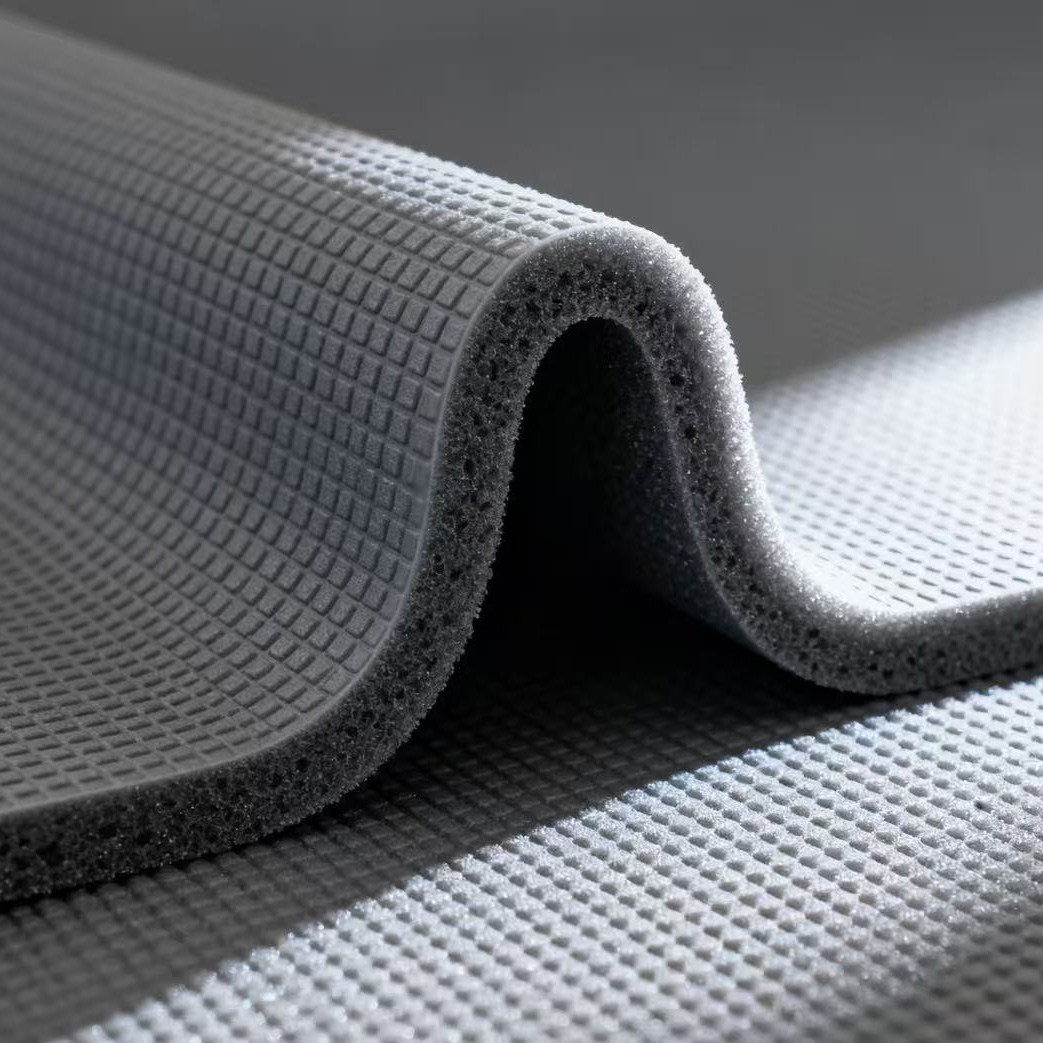
Evaluating the thermal conductivity of a Silicone Foam Sheet determines its efficacy as a heat shield or thermal break. Engineers analyze performance retention during continuous thermal cycling, comparing it to standard materials like EPDM or neoprene. Silicone foam consistently outperforms these alternatives in extreme temperature ranges, maintaining flexibility and insulation value. Assessing suitability for extreme heat-sealing and industrial packaging environments requires analyzing thermal contact resistance. This resistance protects adjacent components from heat damage during continuous operation.
To properly evaluate thermal properties, engineers conduct specific testing protocols. These tests measure the material's ability to resist heat flow under varying compression levels. The data generated from these tests informs the design of thermal barriers in high-temperature applications. We rely on these metrics to ensure the material will not degrade or lose its insulating properties over the equipment's lifespan.
Measure baseline thermal conductivity using a heat flow meter.
Subject the material to thermal cycling between -60ºF and 500°F for 1000 hours.
Re-measure thermal conductivity to assess performance degradation.
Evaluate compression set after thermal exposure to ensure dimensional stability.
Assessing the material's ability to absorb shock and isolate high-frequency vibrations without taking a permanent set is vital for long-term reliability. Examining load-deflection curves helps match foam density to the specific weight and frequency of the vibrating component. Soft, medium, or firm closed-cell options provide varying levels of support and damping. A properly selected material maintains its structural integrity and continues to isolate vibrations effectively over the lifecycle of the equipment. We look at the rebound rate and energy dissipation characteristics to validate damping performance.
Compression set resistance indicates how well the material recovers its original thickness after prolonged compression. Materials with poor compression set resistance will flatten out over time, losing their ability to seal or dampen vibrations. Silicone foam excels in this area, maintaining its shape and elasticity even after years of continuous compression under heavy loads.
The physical format of the material dictates its application suitability and installation method. A standard sheet format is best for large-surface-area die-cutting, custom gaskets, heat-press pads, and broad thermal barriers. For heavier applications, a cushioning silicone foam plate offers a thicker, semi-rigid format utilized for heavy-duty shock absorption, industrial press plates, and structural load distribution in industrial mounts. Meanwhile, a silicone foam strip provides pre-slit rolls ideal for narrow channel gasketing, gap filling, automated assembly lines, and high-temperature enclosure seals.
Choosing the right format streamlines the manufacturing process and reduces material waste. Die-cutting large sheets allows for complex gasket shapes, while pre-slit strips speed up assembly line operations. The thicker plates provide the necessary structural support for heavy machinery mounts, distributing loads evenly to prevent localized fatigue.
In the automotive sector, particularly with electric vehicles, foam sheets serve as compression pads between lithium-ion pouch cells. They accommodate swelling during charge cycles while providing thermal insulation against propagation. This prevents a single cell failure from triggering a cascading thermal event across the entire battery pack. Additionally, they offer vibration isolation for sensitive PCB enclosures mounted near engine compartments, ensuring electronic reliability under continuous mechanical stress.
The demands of automotive environments require materials that withstand exposure to automotive fluids, road salts, and extreme temperature variations. Silicone foam meets these requirements while providing the necessary low-compression force to protect delicate battery cells from mechanical damage during operation.
Industrial applications frequently utilize foam strips to seal access panels, preventing rattling and isolating motor vibration from the main chassis. Thermal breaks in commercial heating units protect external touchpoints from reaching dangerous temperatures, ensuring operator safety. Integration into heat-sealing machines and industrial packaging lines demonstrates the material's ability to withstand continuous thermal cycling under compressive loads without degrading.
Industry | Application | Key Benefit |
|---|---|---|
HVAC | Access panel sealing | Vibration isolation, air leak prevention |
Packaging | Heat-seal press pads | High-temperature resistance, even pressure distribution |
Heavy Machinery | Motor mounts | Shock absorption, structural load distribution |
In these industrial settings, equipment uptime is critical. Using high-performance materials reduces maintenance intervals and prevents unexpected failures. The ability of silicone foam to maintain its properties in harsh industrial environments makes it a reliable choice for engineers designing rugged equipment.
In specialized seating applications, the integration of a sofa cushion silicone foam board provides enhanced support and durability. This is particularly relevant in high-end commercial seating for mass transit, aviation, or heavy machinery cabs. In these environments, long-term durability, flame retardancy, and vibration isolation are strictly regulated and essential for user safety and comfort. The material resists bottoming out under continuous use, maintaining ergonomic support over thousands of hours of operation.
Standard seating foams degrade quickly under the continuous vibration and heavy use typical of commercial transport. Silicone foam boards offer a superior alternative, meeting stringent fire safety standards while providing lasting comfort and vibration isolation for operators and passengers alike.
Analyzing the upfront cost premium of silicone foam against total lifecycle savings reveals its true value in engineering applications. Reduced maintenance and part replacement often offset initial expenses. Evaluating manufacturability includes considering nesting efficiency during die-cutting, waterjet cutting tolerances, and overall waste reduction to optimize production costs. Engineers must work closely with converters to maximize material yield from standard sheet sizes.
Efficient die-cutting requires precise tooling and optimized layouts. By minimizing scrap, manufacturers can significantly reduce the per-part cost of custom gaskets and pads. Waterjet cutting offers tight tolerances for complex shapes without the need for expensive hard tooling, making it ideal for prototyping and short production runs.
Ensuring the selected material meets necessary industry certifications is non-negotiable for commercial deployment. Compliance with RoHS, REACH, FDA standards for food-adjacent applications, and aerospace or rail transit fire safety standards guarantees that the material is safe and legally permissible for the intended use. Material data sheets must be thoroughly reviewed to verify compliance before specifying the material in any design.
Failure to meet regulatory standards can result in costly product recalls and legal liabilities. Engineers must verify that the specific formulation of silicone foam chosen carries the necessary certifications for the target market. This includes rigorous testing for outgassing in enclosed environments and flame spread in passenger compartments.
Standard Pressure Sensitive Adhesives (PSAs) degrade and shear under high temperatures, causing the foam to slip out of place. To mitigate this risk, specify high-temperature acrylic or silicone-based PSAs that are carefully matched to both the operating environment and the substrate surface energy. Surface preparation is also critical; substrates must be thoroughly cleaned and primed to ensure a strong, lasting bond.
When selecting an adhesive, consider the thermal expansion coefficients of both the foam and the substrate. Mismatched expansion rates can induce shear stresses that cause adhesive failure over time. Silicone-based adhesives offer the best high-temperature performance and compatibility with silicone foam, ensuring reliable adhesion in extreme environments.
Compressing the foam beyond its recommended deflection percentage can rupture the cell structure, destroying its thermal and dampening properties. Designing enclosures with mechanical hard stops prevents over-torquing during assembly, ensuring the foam operates within its optimal compression range. Engineers must calculate the required compression force and design the housing to limit travel accordingly.
Mechanical hard stops can take the form of metal standoffs or molded features in the plastic housing. These features physically prevent the assembler from crushing the gasket, guaranteeing consistent compression across the entire sealing surface. This attention to detail during the design phase prevents field failures caused by improper assembly techniques.
Silicone foam sheet stands out as a superior choice for applications demanding lightweight design, extreme temperature tolerance, low closure force, and reliable vibration isolation. Choosing medium-density closed-cell foam addresses general thermal and vibration needs, while sponge should be reserved for heavy liquid sealing.
Request comprehensive material data sheets to verify thermal and mechanical specifications against your project requirements.
Order sample kits to conduct physical compression and thermal testing in your specific assembly environment.
Consult with a material converter to determine the optimal format and die-cut layout to maximize yield and reduce costs.
Specify high-temperature adhesives and design mechanical hard stops to ensure reliable long-term installation.
A: The standard operational range is typically from -60ºF to 500°F. Specific formulations can push these boundaries slightly depending on the exact material composition and application requirements.
A: Silicone foam is generally better for lightweight, low-force vibration damping. Silicone sponge is denser and better suited for heavy-duty sealing against liquids and outdoor elements.
A: While closed-cell foam offers some moisture resistance, silicone sponge is the industry standard for rigorous outdoor weather and liquid sealing applications.
A: It is used in applications requiring thicker, more rigid shock absorption, such as heavy industrial mounts, heat-seal presses, or battery pad separators.
A: Adhere to the manufacturer's recommended compression limits and utilize mechanical hard stops in the design to prevent over-compression during assembly.
A: Many silicone foams meet strict flame retardant standards, such as UL 94 V-0, making them ideal for electronics and automotive applications where fire safety is critical.
A: Medium density offers an optimal balance of structural integrity, low-force compression, and high thermal resistance, making it highly versatile across various industrial applications.


