
Author: Site Editor Publish Time: 2026-10-27 Origin: Site
Did you know certain elastomeric compounds outlast high-grade plastics when exposed to blistering heat or freezing conditions? Across modern manufacturing, engineers frequently struggle with the premature failure of standard plastic components. This is precisely where molded silicone parts solve critical durability issues.
Due to its extreme temperature resistance, biocompatibility, and long-term mechanical stability, silicone is rapidly replacing traditional thermoplastics in demanding environments. In this comprehensive guide, we will explore exactly how these resilient components are manufactured. We will delve into various custom production techniques, evaluate raw material choices, and provide actionable advice on selecting the right manufacturing partner to bring your engineered designs to life.
Manufacturing Diversity: Molded components are primarily produced using three main techniques including Liquid Injection Molding, Compression Molding, and Transfer Molding.
Material Selection: The choice of raw material dictates the manufacturing process and the final structural properties of the product.
Tooling Advancements: Innovations in rapid tooling are drastically reducing prototyping times and upfront capital costs.
Functional Superiority: Engineered elastomers offer superior thermal stability and flexibility compared to traditional plastic injection-molded parts.
Vendor Evaluation: Selecting the right manufacturing partner requires rigorously evaluating their in-house tooling capabilities, quality control tolerances, and material expertise.
In the realm of industrial manufacturing, custom molded components refer to elastomeric parts engineered to fulfill exact client specifications, rather than relying on standardized off-the-shelf dimensions. Customization extends far beyond mere shape. It involves tailoring the physical geometry, achieving a precise durometer measured in Shore A hardness, formulating unique color matches, and ensuring strict compliance with regulatory frameworks for biocompatibility.
Recently, the rapid expansion of the electric vehicle sector and wearable medical devices has fundamentally shifted material demands. Engineers are moving away from rigid plastics. They require miniaturized, biocompatible elastomers capable of handling intense thermal management and repeated sterilization. Standardized parts simply cannot withstand the rigorous environmental requirements of next-generation technologies.
This pivot toward bespoke engineering is largely driven by the inherent limitations of generic solutions. In highly complex applications like aerospace fluid transfer or electronic environmental sealing, standardized parts often fail to meet microscopic dimensional tolerances. Such failures ultimately lead to catastrophic system leaks. By utilizing custom molds, designers can ensure flawless integration into proprietary assemblies.
Before a single drop of material enters a mold cavity, engineering teams must specify the appropriate base polymer. The physical state of the raw elastomer fundamentally dictates the required machinery, tooling architecture, and thermal curing profile. Generally, the industry relies on two primary categories.
Formulated as a sophisticated two-part liquid system, Liquid Silicone Rubber typically consists of Part A housing a platinum catalyst and Part B containing the crosslinking agent. As long as these fluids remain isolated, they are chemically stable.
This liquid material delivers significant structural benefits. Thanks to its inherently low viscosity, the fluid flows effortlessly into highly intricate, micro-machined mold cavities. This characteristic makes it the premier choice for manufacturing complex components that demand tight tolerances or microscopic features. Furthermore, the material cures exceptionally fast upon exposure to heat. This rapid reaction facilitates highly automated, closed-loop injection systems that are perfect for high-volume, continuous production where precision and unit cost are critical.
In contrast, High Consistency Rubber features a significantly higher molecular weight. In its raw uncured state, this solid gum presents a dense, highly viscous texture closely resembling modeling clay.
Unlike the automated pumping mechanisms used for liquids, solid gum demands hands-on mechanical preparation. Operators must run the raw material through a two-roll mill to blend in curing agents and color pigments prior to molding. Despite the extra labor, this material boasts outstanding mechanical strength and superior tear resistance. Therefore, it remains the go-to material for heavy-duty extrusion, robust medical tubing, and large-scale industrial seals that prioritize rugged durability over microscopic precision.
Material Type | Physical State | Curing Mechanism | Typical Hardness | Ideal Applications |
|---|---|---|---|---|
Liquid Silicone Rubber | Two-part low viscosity liquid | Platinum catalyzed heat cure | 10 to 80 Shore A | Micro-molding, medical devices, high-volume sealing |
High Consistency Rubber | High molecular weight solid gum | Peroxide or platinum heat cure | 30 to 90 Shore A | Heavy-duty extrusion, automotive cushions, industrial pads |
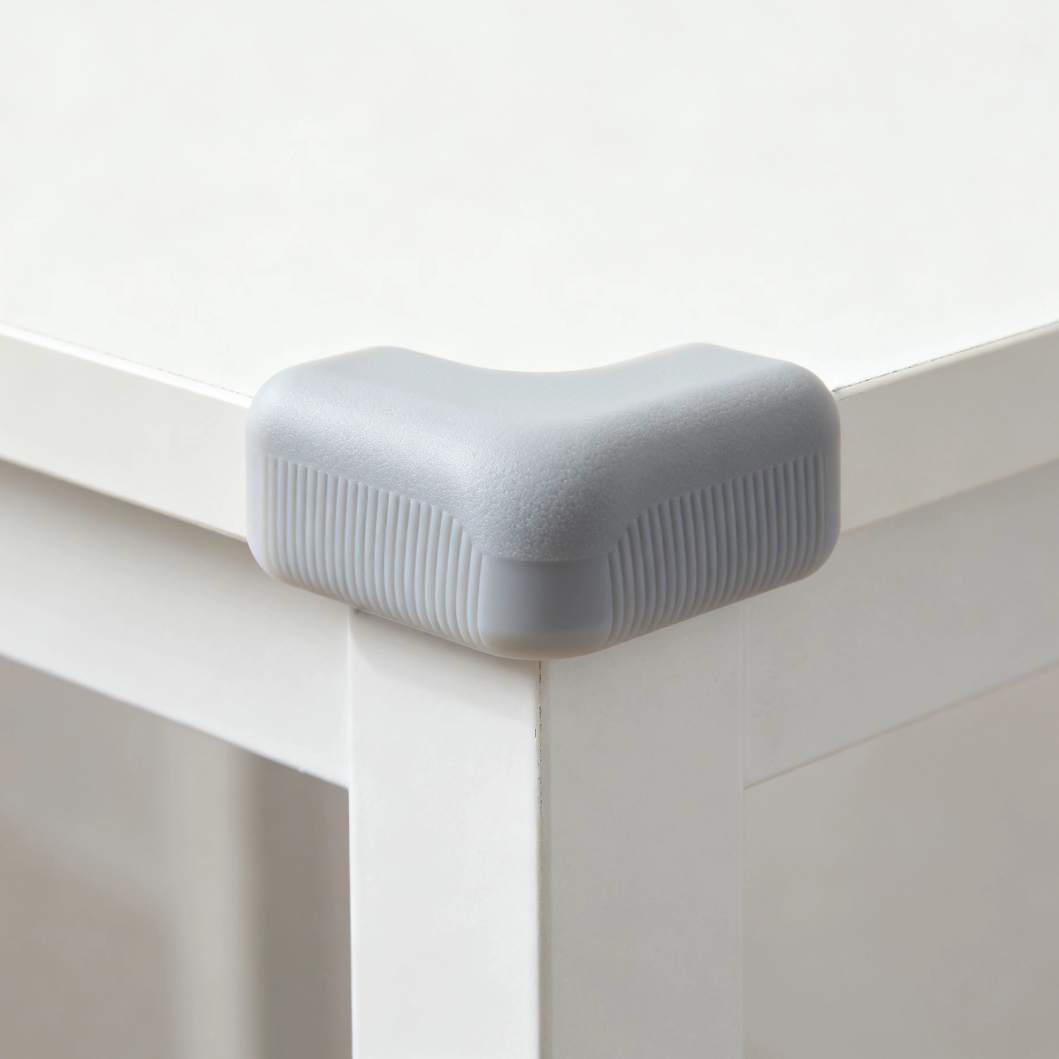
Transforming raw polymer into a functional component is not a one-size-fits-all endeavor. Selecting the optimal manufacturing method requires a calculated assessment of the chosen material, projected production volumes, tooling budgets, and the geometric intricacy of the final design.
Liquid Injection Molding stands out as a highly automated manufacturing process specifically engineered for liquid polymers.
The operation begins by pumping the distinct liquid components from separate drums into a static mixer at an exact one-to-one ratio. Pigments can also be introduced at this stage. This chilled, homogenous mixture is then injected under immense pressure into a pre-heated mold cavity. The moment the cold liquid makes contact with the hot tool steel, it undergoes rapid vulcanization and solidifies into the finished shape.
Because the entire system remains sealed from the outside environment, this process drastically minimizes the risk of material contamination. This sterile environment makes it the benchmark for high-volume, pristine medical and food-grade applications.
As one of the oldest and most reliable rubber manufacturing techniques, compression molding is primarily paired with solid gum materials.
The process is highly tactile. A technician calculates the precise weight and shape of the raw material needed to create a solid pre-form. This piece of dough-like silicone is manually placed directly into the open cavity of a heated mold. A massive hydraulic press then forces the mold shut. The combination of intense heat and crushing pressure forces the solid gum to flow into every crevice of the cavity and cure.
While cycle times are longer, compression molding requires significantly less expensive tooling than injection systems. Consequently, it is highly cost-effective for lower production volumes, oversized components, and projects where slight dimensional variations are permissible.
Functioning as an engineering middle ground, transfer molding bridges the gap between the simplicity of compression and the precision of injection.
Instead of placing the raw pre-form directly into the final cavity, the operator loads the material into a separate holding chamber known as the pot located above the mold. A hydraulic plunger then physically rams the material through narrow channels called sprues into the heated closed mold below.
Because the mold is already clamped shut before the elastomer enters, transfer molding excels at overmolding. This is the delicate process of bonding silicone directly onto metal inserts, fragile electronic sensors, or rigid plastic substrates. It is the ideal solution for medium-volume runs requiring tighter tolerances than standard compression techniques can offer.
Transitioning a conceptual design from a digital interface into a tangible functional product demands a rigorous workflow. Each phase acts as a critical checkpoint to guarantee the final part meets structural integrity and regulatory mandates.
The journey commences with comprehensive 3D modeling and a strict Design for Manufacturability analysis. Engineering teams meticulously evaluate draft angles, potential undercut geometries, and gate locations. These checks ensure the fluid will flow seamlessly and demold without tearing.
Historically, validating a design required machining expensive steel or aluminum molds. Today, cutting-edge manufacturing integrates 3D-printed molds utilizing high-temperature resins. These rapid-printed tools empower teams to cast physical prototypes in mere days. This allows for cost-effective functional testing before authorizing the hefty capital expenditure of permanent metal tooling.
Once the tooling is validated and installed, the raw material undergoes preparation. For liquid processes, this means meticulously calibrating automated pumping systems to guarantee a flawless ratio of base to catalyst. Conversely, solid gum demands a more labor-intensive approach. The material is fed through a mechanical two-roll mill where sheer force softens the matrix. Technicians carefully fold in curing agents and solid pigments until the rubber achieves absolute uniformity in both color and texture.
With the material prepped, it is introduced into the mold via injection, compression, or transfer mechanics. It is vital to understand that unlike standard thermoplastics which simply cool and harden, elastomers must undergo vulcanization. Triggered by the intense heat of the mold usually between 120 degrees and 180 degrees Celsius, a permanent chemical cross-linking of the polymer chains occurs. This irreversible reaction transforms the malleable raw material into a stable, highly durable product.
Upon ejection from the mold, parts frequently exhibit flash. This is a paper-thin layer of excess material that seeps into the parting lines of the mold. Flash is meticulously removed through manual trimming, tumbling, or cryogenic deflashing where parts are frozen and blasted to snap off the brittle excess.
Following deflashing, numerous high-performance parts undergo post-curing. Technicians bake the components in industrial ovens for several hours to burn off volatile organic compounds and residual curing byproducts. This step is absolutely mandatory for aerospace, medical, and food-grade items to guarantee total material safety. Finally, the parts are subjected to rigorous dimensional metrology and visual quality inspections.
The sheer diversity of available manufacturing processes allows elastomers to be deployed across highly demanding sectors. They frequently replace legacy materials that rapidly degrade under environmental stress.
Within the consumer electronics space, device longevity is intrinsically tied to effective environmental sealing. For instance, a specialized Silicone Protector is frequently deployed to shield delicate electronic sensors from corrosive environmental contaminants. These protectors are specifically formulated to achieve rigorous IP67 or IP68 ratings, creating an absolute barrier against microscopic dust particulates and water submersion.
Similarly, a custom-engineered Silicone Cushion provides targeted shock absorption. These components effectively dampen severe vibrations in automotive chassis or offer critical ergonomic support in medical wearables. They maintain their flexibility across a staggering temperature gradient, commonly functioning flawlessly from minus 55 degrees up to 250 degrees Celsius.
The heavy industrial sector operates in unforgiving environments that subject materials to severe mechanical abuse. To combat this, engineers utilize specialized formulations for heavy-duty applications. An Anti-collision Pad cushions the impact force through the inherent elasticity of silicone. These specific parts are compounded using a high-durometer matrix designed to absorb kinetic energy from high-impact strikes. Unlike organic rubber which turns brittle over time, these pads retain their shock-absorbing resilience even when subjected to prolonged UV radiation or corrosive engine fluids.
When architecting a new physical product, design engineers frequently find themselves weighing the pros and cons of elastomers against traditional thermoplastic injection molding. Ultimately, the superior choice is dictated entirely by the operational environment the final part will face.
First and foremost is temperature tolerance. Elastomers vastly outperform standard plastics in extreme climates. While typical thermoplastics will warp, melt, or lose structural integrity at high temperatures, silicone maintains its flexible mechanical properties.
Next, the curing process highlights a fundamental divergence in physics. Plastic molding utilizes thermoplastics where solid resin pellets are heated into a molten state, injected into a cold mold, and cooled into a solid. This physical change is reversible. In stark contrast, elastomers utilize thermoset polymers. The material is injected cold into a scorching hot mold, triggering an irreversible chemical cross-linking reaction. Once cured, the part cannot be melted back into a liquid.
Finally, tooling requirements differ significantly. Because liquid formulations possess an incredibly low viscosity prior to curing, they easily flash into microscopic mold gaps as small as 0.0002 inches. To prevent massive defect rates, these molds demand exceptionally tighter machining tolerances and vastly superior steel grades compared to standard plastic molds.
Transitioning from a digital file to a physical, high-performing component demands more than exceptional raw materials. It requires a highly capable manufacturing partner. Because thermoset polymers behave so differently from thermoplastics, the engineering expertise required to control shrinkage, prevent flash, and ensure dimensional stability is highly specialized.
The bedrock of any successful molding project is the quality of the tooling which dictates final geometry and surface finish. When evaluating a potential supplier, it is imperative to determine if they design and fabricate their molds in-house. In-house tooling offers vastly superior control over the engineering process, enabling rapid iterations and direct communication between mold makers and production staff.
Given the propensity for the material to flash into microscopic gaps, a reliable manufacturer must enforce stringent quality control protocols. Look for internationally recognized validations. An ISO 9001 certification serves as the baseline for manufacturing consistency. However, if your project involves healthcare or sensitive electronics, the vendor must hold specialized certifications and operate within certified cleanrooms such as ISO Class 7 or 8 to eliminate particulate contamination.
Ultimately, procurement teams should seek out experienced manufacturers who operate as collaborative engineering partners rather than mere order-takers. A sophisticated supplier will proactively guide your team through the design analysis to identify potential defects before steel is ever cut.
The journey from a raw viscous polymer to a fully cured, high-performance product requires an exacting blend of chemistry, physics, and precision engineering. The strategic choice between injection, compression, or transfer molding fundamentally dictates the success, scalability, and cost-efficiency of the final part.
Whether your application demands a simple ergonomic cushion or a highly complex mass-produced medical seal, possessing a deep understanding of the production workflow empowers engineers to make vastly superior manufacturing decisions.
If you are ready to transition your design from concept to reality, explore advanced engineering solutions. You can find the perfect Custom Silicone Parts for your specific application by partnering with a manufacturer that understands your exact environmental and mechanical requirements.
The financial investment required to produce customized elastomeric components is calculated based on three primary variables including tooling expenses, raw material grades, and production volume. Tooling usually represents the largest upfront cost. Compression molding tools are highly cost-effective, often ranging from one thousand to five thousand dollars, making them ideal for simpler shapes. Conversely, liquid injection systems require complex closed-loop steel molds with precise runner systems which can easily exceed twenty thousand dollars. High-volume runs allow the manufacturer to amortize the expensive tooling costs over hundreds of thousands of units, drastically lowering the individual piece price.
Manufacturing timelines hinge entirely on the chosen production method and the geometric complexity of the part. Traditional production molds machined from hardened aircraft-grade aluminum or tool steel generally require a lead time of four to eight weeks. This accommodates meticulous engineering, rough machining, electrical discharge machining processing, and final polishing. However, by leveraging industrial 3D printing technology, a facility can fabricate a high-temperature resin prototype mold in as little as three to seven days.
Recycling these components presents a unique chemical challenge. Unlike traditional thermoplastics that can be melted down and reshaped endlessly, this material is a thermoset polymer. During vulcanization, the polymer chains undergo irreversible chemical cross-linking. Consequently, a cured part cannot be melted back into a liquid state. However, it can be mechanically ground into fine granules. These granules are then repurposed as filler in new compounds, playground surfaces, or athletic tracks to enhance shock absorption.
While both components are fundamentally engineered to manage kinetic energy and protect underlying structures, their material formulations differ drastically. A cushion is typically designed for ergonomic support, micro-vibration dampening, and acoustic insulation. These parts utilize a softer formulation allowing them to compress easily under sustained low-impact loads. In stark contrast, an anti-collision component is built for heavy-duty industrial safety. Formulated with harder rubber and specialized tear-resistant additives, these pads are strategically deployed in heavy machinery to absorb sudden violent mechanical strikes without suffering permanent deformation.
The functional lifespan of an engineered elastomeric part depends heavily on its operating environment and material formulation. In standard indoor applications free from extreme mechanical abrasion, these components can easily last over a decade without degrading. The material naturally resists ultraviolet light, ozone exposure, and extreme temperature fluctuations that would normally cause standard rubber to crack and fail. Even in harsh automotive or industrial environments, high-grade formulations maintain excellent compression set resistance, ensuring seals and gaskets remain watertight for years.
Yes, overmolding is a highly effective manufacturing technique used to bond elastomers directly onto rigid substrates like stainless steel, aluminum, or high-temperature plastics. This process typically utilizes transfer molding or liquid injection molding. To achieve a permanent bond that will not peel or delaminate, engineers often apply a chemical primer to the rigid substrate before molding. Additionally, the substrate must be able to withstand the high temperatures required for vulcanization, which generally limits plastic inserts to high-performance resins like polycarbonate or nylon.


