
Author: Site Editor Publish Time: 2026-10-12 Origin: Site
Does unchecked mechanical resonance silently tear apart your expensive machinery? I have seen it happen too many times on the factory floor. When kinetic energy ripples through a mechanical assembly, it loosens critical fasteners. It fractures delicate solder joints. It generates maddening noise pollution that disrupts entire production lines. While many traditional elastomers claim to offer adequate shock absorption, standard rubber and plastics degrade rapidly. They simply fail when subjected to extreme heat, harsh chemicals, or relentless UV exposure.
To safely absorb this destructive energy without risking premature material failure, engineers turn to a specialized Silicone Foam Strip. Blending the lightweight compressibility of a cellular matrix with the extreme environmental durability of siloxane compounds, this material serves as the premier solution for modern industrial isolation. In this practical guide, we will explore the exact physics behind their operation. We will compare their performance against legacy materials and provide actionable insights to help you specify the perfect damping profile for your next project.
Energy Conversion: A high-quality cellular strip reduces mechanical oscillation by converting kinetic energy into a tiny, harmless amount of thermal energy through internal friction.
Superior Durability: Unlike standard polyurethane materials that crumble under UV light, siloxane-based structures maintain their shape and elasticity in extreme temperatures ranging from -60°C to 230°C.
Versatile Applications: From acting as an environmental gasket in outdoor lighting fixtures to stabilizing sensitive drone flight controllers hovering in erratic winds, these elastomers are highly adaptable.
Customizable Performance: By precisely adjusting the density, thickness, and cellular architecture, designers can tailor the material to perfectly match the frequency and physical load of any specific application.
To truly understand how these specialized strips mitigate mechanical wear, we need to look at the fundamental physics of oscillation. Vibration is essentially kinetic energy traveling through a solid medium. When this force moves unchecked through a rigid metal chassis or plastic enclosure, it causes severe material fatigue. Eventually, this leads to catastrophic failure. To isolate this energy, the transmission path must be intentionally interrupted by a medium capable of absorbing and dissipating the shock.
The primary reason this specific elastomeric compound is so phenomenally effective at vibration damping lies in its viscoelastic nature. Viscoelasticity is a unique material property exhibiting both viscous and elastic characteristics during physical deformation.
Specifically, the viscous properties act like a thick fluid resisting shear flow to spread the impact force out over time. Simultaneously, the elastic properties act like a mechanical spring. They store the energy momentarily before returning the material to its original geometric shape once the heavy load is removed. A standard stiff rubber block leans too heavily on its elastic nature. It takes the kinetic impact and bounces it right back into the system. This can disastrously amplify certain resonant frequencies. In contrast, the unique chemical backbone of this advanced foam perfectly balances these two states. It absorbs the initial shock without allowing the vibration to violently rebound into sensitive adjoining components.
While the chemical composition provides the baseline viscoelasticity, the physical manufacturing process dramatically elevates its damping capabilities. During production, the raw material is expanded to create a complex cellular structure filled with thousands of microscopic air pockets. Think of these tiny voids as an army of individual micro-shock absorbers.
When a kinetic force impacts the surface, the delicate cell walls compress. As they compress and subsequently expand, the internal friction within the cellular matrix creates a thermodynamic phenomenon known as hysteresis. During hysteresis, the violent vibrational motion is converted into a very low-grade thermal energy. Because the energy is safely dissipated into the surrounding atmosphere as heat, the vibration is effectively silenced and stopped dead in its tracks.
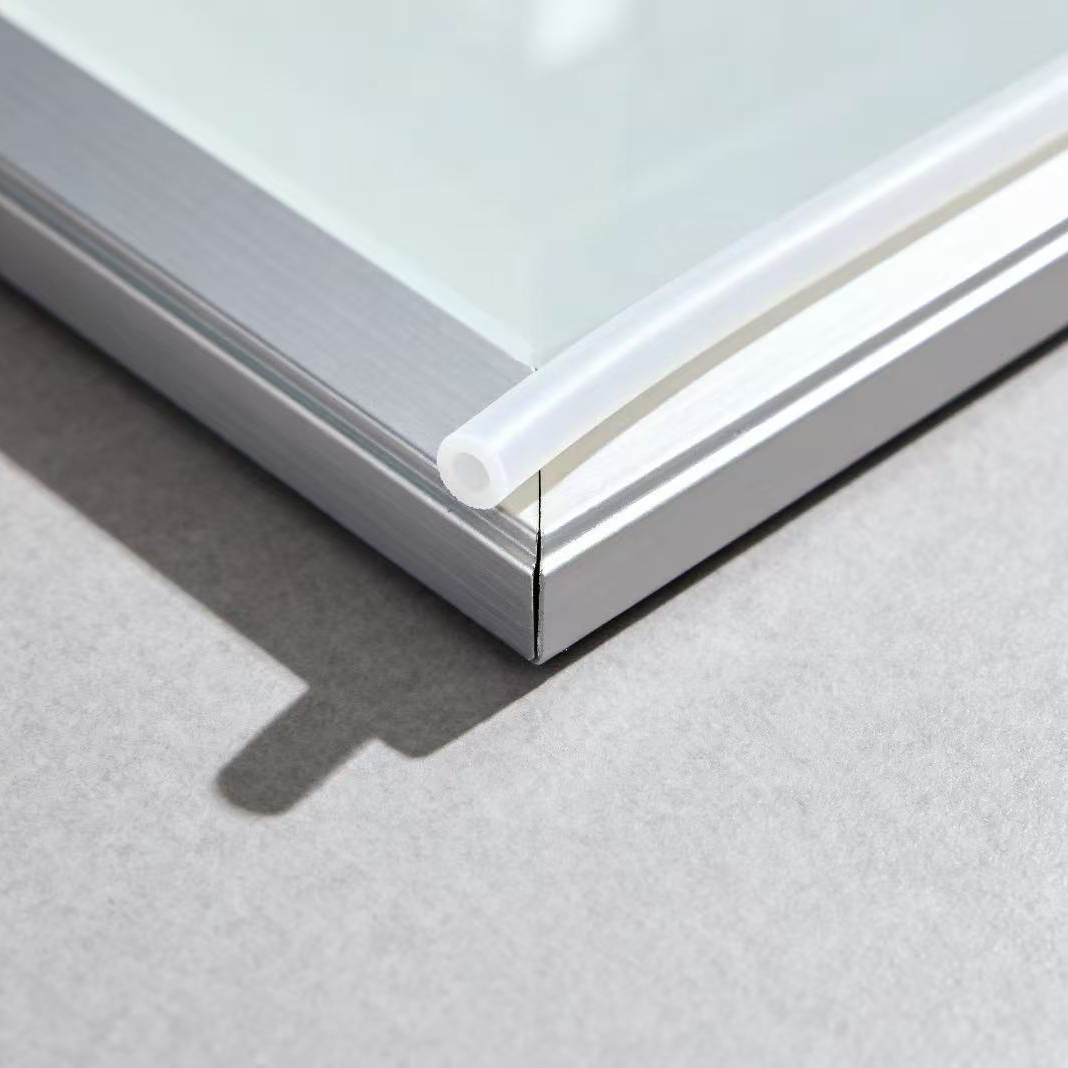
Engineers and product designers frequently debate material selection when addressing resonance issues on the factory floor or in consumer electronics. While many legacy elastomers are heavily marketed for shock absorption, empirical testing repeatedly demonstrates that Silicone Foam vastly outperforms traditional alternatives. This is especially true when deployed in demanding, unpredictable environments.
Material Type | Vibration Damping | Temperature Range | UV & Ozone Resistance | Long-Term Reliability |
|---|---|---|---|---|
Silicone Foam | Excellent (High Hysteresis) | -60°C to 230°C | Outstanding | 10 to 15+ Years |
Solid Rubber | Poor (Transmits Shock) | -20°C to 90°C | Moderate | Prone to Hardening |
Polyurethane Foam | Good (Short Term) | -40°C to 100°C | Poor (Crumbles) | 1 to 3 Years Outdoors |
Gel Dampeners | Excellent (Low Freq) | -30°C to 150°C | Good | Prone to Leaking/Migration |
Solid rubber remains a common default for rudimentary shock absorption. However, its dense and incompressible nature presents severe limitations in high-stakes engineering. Because solid rubber lacks internal air pockets, it requires an immense amount of force to compress. When bombarded by high-frequency micro-vibrations, a solid rubber block acts less like a cushion and more like a rigid bridge. It transmits kinetic energy straight into adjoining fragile structures, like printed circuit boards.
Conversely, a cellular elastomeric strip offers a much lower compression force deflection. This means it gently cradles delicate components. It easily absorbs the high-frequency chatter that solid rubber would entirely ignore.
Polyurethane foam is ubiquitous due to its low initial procurement cost and acceptable short-term damping properties. However, polyurethane is notoriously susceptible to environmental degradation. When exposed to ultraviolet light, atmospheric ozone, or the high ambient heat of an engine bay, the chemical bonds begin to aggressively break down. Over a relatively short period, the material oxidizes, turns a brittle yellow, crumbles into dust, and completely loses its rebound elasticity.
Building upon a highly stable inorganic siloxane backbone of alternating silicon and oxygen atoms, advanced cellular silicone provides exceptional environmental stability. It will not degrade under harsh outdoor UV exposure. It routinely outlasts polyurethane foam by a factor of ten, making it the only reliable choice for long-term infrastructure projects.
Gel dampeners are admittedly excellent for isolating ultra-low frequency vibrations. They are often utilized in specialized aerospace acoustics. Nevertheless, gels are inherently heavy, expensive, and notoriously difficult to manufacture into precise geometries. Furthermore, gels are prone to catastrophic structural failure over time. They can leak, dry out, or migrate away from the impact zone under continuous compression.
A precision die-cut cellular strip provides a much cleaner and structurally sound solution. It features a significantly lighter weight profile. It maintains dimensional integrity without the messy risk of leaking fluids, rendering it far superior for standard commercial assembly lines.
When evaluating a Vibration Damping Strip for procurement, buyers must look far beyond basic length and width dimensions. Assessing specific technical specifications based on standardized testing methods is critical for guaranteeing long-term performance.
Compression set is defined as the permanent deformation of a material after it has been compressed under a heavy load for a specific duration at an elevated temperature. If an elastomer possesses a high compression set, it will permanently flatten out under the weight of a vibrating motor. Once flattened, it loses its internal air pockets and its ability to absorb kinetic energy.
Premium cellular siloxane is explicitly engineered to exhibit an incredibly low compression set, often testing below five percent. Even after years of enduring continuous mechanical pounding, it will consistently rebound to its original thickness. This ensures the isolation performance remains identical on day one thousand as it was on day one.
Standard organic elastomers become dangerously brittle and freeze solid in sub-zero temperatures. They completely lose their viscoelasticity and shatter upon impact. In contrast, when placed in high-heat environments, they melt, outgas toxic fumes, or lose their structural cohesion.
Advanced cellular matrices maintain their flexible, energy-absorbing properties across a staggering operational temperature range of -60°C to over 230°C. This thermal invulnerability is absolutely critical for automotive engine compartments, industrial baking equipment, and outdoor telecom infrastructure subjected to brutal seasonal fluctuations.
The density and firmness of the strip dictate exactly which vibration frequencies it can effectively neutralize.
Softer profiles: Ideal for absorbing high-frequency micro-vibrations and acoustic resonance. These are perfect for isolating delicate optical sensors and microchips.
Firmer profiles: Required to handle heavier, low-frequency mechanical shocks. You will need these for industrial HVAC compressors or heavy stamping machinery.
The unique convergence of thermal stability, weather resistance, and kinetic energy absorption makes these materials highly sought after across a multitude of rigorous industrial sectors.
In the commercial drone sector, vibration isolation is a make-or-break engineering hurdle. Flight controllers house highly sensitive gyroscopes and accelerometers. If the high-frequency chatter from the brushless motors reaches these micro-sensors, the drone will experience erratic flight behavior or total system failure. Engineers routinely utilize thin, ultra-soft damping strips to mechanically decouple the flight controller from the rigid carbon-fiber chassis. This ensures crystal-clear sensor data.
Outdoor streetlights and stadium lighting fixtures endure relentless environmental stress. A well-designed Lamp Seal Strip serves a vital dual purpose. First, it dampens the physical vibrations caused by gale-force winds or passing heavy transit, preventing delicate LED solder joints from fracturing. Second, by utilizing a closed-cell architecture, it compresses to form an impenetrable environmental gasket. This allows the housing to achieve stringent IP65 or IP67 ratings against torrential rain and dust ingress.
In heavy-duty applications, controlling resonance is essential for both equipment longevity and operator safety. Thick elastomeric strips are strategically placed under heavy HVAC units to prevent low-frequency hums from echoing through building floorboards. In the automotive realm, they are applied deep within the cabin and engine bay to eradicate panel rattle. They protect delicate electronic control units from the constant, jarring mechanical shock of uneven roads.
A comprehensive analysis of recent engineering developments reveals a massive shift in how industries approach mechanical isolation. With the rapid expansion of the electric vehicle market and the relentless push toward electronic miniaturization, legacy rubber materials are rapidly being phased out. Today's battery packs require materials that can simultaneously dampen the harsh vibrations of the road while providing critical thermal insulation and flame retardancy to prevent thermal runaway.
Consequently, the market is seeing a massive surge in demand for advanced siloxane-based cellular structures. Regulatory bodies in aerospace and automotive sectors are implementing stricter safety and outgassing standards, pushing manufacturers away from cheap polyurethanes. The trend is clear. Modern engineering requires multi-functional materials that offer acoustic deadening, environmental sealing, and extreme thermal resilience in a single, lightweight profile.
Choosing the correct material configuration is arguably just as critical as choosing the material itself. Procurement teams and lead engineers must carefully evaluate three primary variables before finalizing a design.
Depending on your primary engineering goal, the internal cellular structure must be specified correctly. Open-cell configurations feature interconnected microscopic air pockets. This allows air and moisture to pass through. It is generally softer and vastly superior for pure shock absorption and acoustic deadening in dry environments.
In contrast, each air pocket in a closed-cell structure is completely sealed off like an individual balloon. This structure is slightly firmer. It is the mandatory choice when you require a combined Foam Seal Strip. This solution stops mechanical vibration while simultaneously acting as a watertight and airtight gasket.
A frequent and costly engineering failure occurs when a damping strip bottoms out. This happens when the resting weight of the vibrating object is far too heavy for the chosen foam density. The material compresses completely until it becomes a solid mass. Once solid, all damping properties vanish. As a strict rule of thumb, the static resting weight of the object should compress the strip by no more than ten to twenty percent. This leaves ample cellular travel distance to absorb dynamic, unexpected shocks.
An isolation solution is entirely useless if it vibrates out of place. Selecting the appropriate pressure sensitive adhesive is paramount. Standard acrylic adhesives offer excellent initial tack and are perfectly suitable for indoor applications with moderate temperature swings. However, specialized high-temperature silicone adhesives are absolutely required for extreme environments. They bond molecularly to the foam and maintain an iron grip in high-heat or high-moisture scenarios where standard glues would melt, smear, or peel away under constant vibrational shear stress.
Even the most precisely engineered and expensive elastomer will fail spectacularly if installed haphazardly. Following strict installation protocols ensures the material performs exactly as designed.
Adhesives cannot bond to grease, microscopic dust, or oxidation. Before applying the backing, the mating surfaces must be rigorously cleaned. From a practical standpoint, technicians should use a half-and-half mixture of isopropyl alcohol and water. Apply it with a lint-free cloth to wipe down all metal or plastic housings. The surface must be allowed to flash dry completely. Ensure no residual machine cutting oils or rust remain before peeling back the adhesive liner.
For optimal vibration damping, achieving the sweet spot of compression is vital. If the strip is under-compressed, the vibrating component will remain loose. This leads to secondary impact forces and aggressive rattling. If over-compressed past fifty percent of its original thickness, the internal air cells collapse entirely. This turns the material into a rigid transmitter of kinetic energy.
To prevent this, engineers must design physical mechanical stops into the housing or mandate the use of torque-limited fasteners on the assembly line. This guarantees the foam remains perfectly suspended in its optimal ten to thirty percent compression range.
When engineering a system that relies heavily on vibration isolation, the quality and purity of the elastomeric components are just as critical as the design of the machinery itself. The global market is currently flooded with low-cost, generic rubber products that claim to offer premium damping but fail prematurely under real-world stresses. Partnering with a specialized, elite manufacturer is a strategic decision that directly impacts your product's longevity, safety, and overall market reputation.
One of the primary benefits of working with a premier supplier is access to advanced customization. Every vibration challenge features a unique frequency footprint. This requires specific material densities and geometries to effectively absorb the energy. A trusted manufacturer utilizes state-of-the-art die-cutting and skiving technology to produce custom strips with exceptionally tight tolerances. This precision ensures the material fits flawlessly into your specific assembly, whether you are lining a delicate optical housing or a massive industrial generator.
Beyond geometric customization, rigorous quality control separates true manufacturing partners from generic bulk suppliers. High-quality siloxane requires precise compounding. They often utilize platinum-cured processes rather than traditional peroxide curing to ensure superior purity and lower outgassing. A reputable manufacturer operates under strict international quality management systems and conducts exhaustive in-house laboratory testing. They provide documented data for compression set, tensile strength, and thermal aging. This guarantees that the material you integrate into your project meets the highest global safety and environmental directives.
Unchecked mechanical vibration is a silent, relentless destroyer of industrial equipment. It leads to premature mechanical wear, catastrophic electronic failure, and unacceptable noise levels. While traditional rubbers and cheap plastics degrade rapidly under the unforgiving stress of harsh environments, a properly engineered cellular silicone strip offers a permanent, highly effective solution.
By leveraging its unique viscoelastic properties, extreme temperature resistance, and highly customizable cellular structure, you can successfully isolate destructive kinetic energy. This will significantly extend the operational lifespan of your assemblies. Do not let resonance compromise your engineering integrity. Assess your current vibration challenges, accurately calculate your load requirements, and upgrade your material selection. Visit Zhongweixin today to consult with expert manufacturers and specify the exact damping profile needed to protect your machinery.
When deployed in demanding industrial or outdoor environments, a high-quality siloxane-based strip can easily last ten to fifteen years without suffering significant degradation. In stark contrast, standard organic rubbers like natural rubber, neoprene, or standard polyurethane often begin to degrade, crack, or harden within just one to two years of continuous exposure to the elements.
The scientific reason for this massive disparity lies in the fundamental chemical structure. Standard rubber compounds are built upon a carbon-to-carbon double bond backbone. This breaks down rapidly when exposed to ultraviolet radiation, atmospheric ozone, or extreme temperature fluctuations. Silicone is engineered with a highly stable inorganic silicon-oxygen backbone. This bond requires significantly more energy to break, making the material virtually immune to UV degradation and ozone attack. It will not dry out, crumble, or lose its structural integrity, providing a drastically lower total cost of ownership.
While it is a common engineering misconception that damping materials can create a perfect vacuum of silence, they cannot completely eliminate all airborne noise. However, they are extraordinarily effective at drastically reducing structure-borne noise and mechanical rattling, which are usually the most disruptive forms of acoustic energy in an assembly.
Structure-borne noise occurs when kinetic energy from a vibrating source travels through solid materials. This causes metal or plastic housings to resonate and amplify the sound like a speaker cone. When a cellular strip is placed between the source and the housing, it acts as a physical acoustic barrier. Through the process of hysteresis, the microscopic air pockets compress and expand, converting the specific vibrational frequencies into a tiny amount of thermal energy. By interrupting the transmission path, the foam entirely neutralizes the aggressive, destructive rattling and structural resonance.
Although procurement teams frequently use the terms interchangeably, foam and sponge are distinctly different materials. They are manufactured using completely different chemical processes that result in different performance characteristics.
A sponge strip is typically manufactured using chemical blowing agents. During high-heat curing, these agents decompose and release gases to expand the solid rubber. This creates a closed-cell structure resistant to water, but the chemical process can leave behind trace residues unsuitable for ultra-clean environments. Conversely, a foam strip is usually produced using a clean mechanical frothing process or water-based blowing agents. This leaves no chemical residues, resulting in a much purer elastomer. Furthermore, foam can be engineered with either an open-cell structure for maximum shock absorption or a closed-cell structure for combined environmental sealing and damping.
Yes, it is exceptionally safe and highly recommended for high-temperature electronic applications, aerospace components, and heavy-duty power generation systems. Unlike traditional plastics or polyurethanes that will melt, warp, or off-gas toxic fumes under thermal load, this material maintains its physical and chemical stability under extreme heat.
Standard engineering-grade formulations can continuously withstand operating temperatures exceeding 200°C, with specialized versions enduring intermittent spikes up to 230°C. Additionally, safety is a paramount concern in electronics design. Many of these premium foams are inherently flame retardant. They are rigorously tested to achieve the coveted UL94 V-0 rating, meaning they will self-extinguish within seconds of exposure to an electrical short circuit and will not produce flaming drips. For sensitive optics, platinum-cured variations offer extremely low outgassing, ensuring volatile compounds do not condense on delicate circuit boards.
Absolutely, provided you select the correct cellular architecture. If you choose a closed-cell silicone foam, the internal air pockets are completely sealed off from one another. When this material is compressed by about twenty to thirty percent between two surfaces, it forms a highly effective environmental gasket. This compression blocks the ingress of moisture, heavy rain, and fine dust particles, allowing enclosures to easily meet stringent IP65 or IP67 waterproof ratings while simultaneously absorbing mechanical shock.
Selecting the proper thickness requires understanding the static weight of the component you are trying to isolate. As a general engineering rule of thumb, the static resting weight of your component should compress the damping strip by ten to twenty percent of its original thickness. This initial compression ensures a snug fit while leaving the remaining eighty percent of the cellular structure available to absorb dynamic vibrational energy. If you select a strip that is too thin, the weight will compress it completely flat, eliminating its ability to absorb any kinetic shock.


