
Author: Site Editor Publish Time: 2026-10-21 Origin: Site
As the global transition to electric vehicles accelerates, the infrastructure supporting this monumental shift must operate flawlessly under immense physical strain. Imagine a high-power DC fast charger situated on a sun-baked desert highway. Conversely, picture one exposed to a corrosive coastal blizzard. These stations are essentially high-voltage computers placed in some of the most unforgiving outdoor environments imaginable. From freezing rain and blistering ultraviolet rays to abrasive dust storms and accidental physical impacts, sensitive internal electronics must survive relentless assaults. The unsung hero in this engineering marvel is the Charging Pile Silicone Seal.
This comprehensive technical guide explores exactly how these specialized barriers function on a chemical and mechanical level. We will dissect the science behind their protective properties and examine why selecting premium components is critical for operational safety, equipment longevity, and strict regulatory compliance. Whether you are an infrastructure engineer, a procurement manager, or simply an industry enthusiast, you will discover why these essential components form the backbone of reliable charging networks.
Ultimate Environmental Protection: These seals create an impermeable, highly compressed barrier that blocks water, dust, and atmospheric moisture. This guarantees stations meet stringent IP67 and NEMA 4X operational standards.
Superior Material Science: Unlike traditional organic rubbers, silicone maintains its mechanical flexibility and sealing capabilities across extreme temperature fluctuations. This operational range typically spans from negative 40 degrees Celsius to well over 200 degrees Celsius.
Safety and Compliance: Specialized gaskets provide essential high-voltage electrical insulation and flame retardancy. These properties actively prevent thermal runaway and protect end-users from fatal electrical hazards.
Versatility in Design: From custom-molded foam to liquid adhesives, these protective components can be engineered to fit the increasingly complex, aerodynamic geometries of modern station housings.
Bottom-Line Impact: Investing in premium sealing solutions significantly reduces long-term maintenance costs, prevents catastrophic electrical failures, and maximizes the operational lifespan of the entire unit.
At its core, this component is a highly specialized elastomeric barrier engineered specifically for the unique physical, thermal, and electrical demands of modern charging infrastructure. When a field technician bolts the heavy metal access door shut, this seal serves as the absolute first line of defense. It stands between the highly sensitive internal electronics—such as microprocessors, high-power circuit boards, and copper wiring—and the unpredictable outside world. Without this continuous, resilient boundary, environmental contaminants would immediately infiltrate the housing. The inevitable result would be rapid galvanic corrosion, devastating electrical shorts, and complete system failure.
To fully appreciate the value of silicone, engineers must contrast it with standard organic rubbers like EPDM or Nitrile. These cheaper materials are frequently deployed in less demanding industrial sectors. Organic rubbers feature a carbon-to-carbon polymer backbone. While effective in mild indoor conditions, this chemical structure is highly susceptible to thermal degradation and rapid oxidation.
Rapid fast charging generates immense internal heat due to the massive electrical current passing through the converters and thick liquid-cooled cables. Furthermore, when standard rubber is exposed to this continuous, aggressive thermal cycling, the carbon bonds literally break apart. The material becomes brittle, develops micro-cracks, and completely loses its ability to compress. Consequently, it fails to keep water out. Because of these extreme operating temperatures, utilizing high-grade synthetic elastomers is not just an optional upgrade. It is an absolute engineering necessity for maintaining public safety and uninterrupted functionality.
Performance Metric | Premium Silicone | Standard EPDM / Nitrile |
|---|---|---|
Operating Temperature | -40°C to 250°C | -20°C to 120°C |
UV & Ozone Resistance | Exceptional. No degradation over decades. | Poor. Cracks and fades under direct sunlight. |
Flame Retardancy | UL94 V-0 certified. Self-extinguishing. | Highly combustible. Acts as a fuel source. |
Compression Set | Less than 10%. Excellent rebound memory. | High. Flattens permanently over time. |
Expected Lifespan | 10 to 15+ years in harsh outdoors. | 3 to 5 years before requiring replacement. |
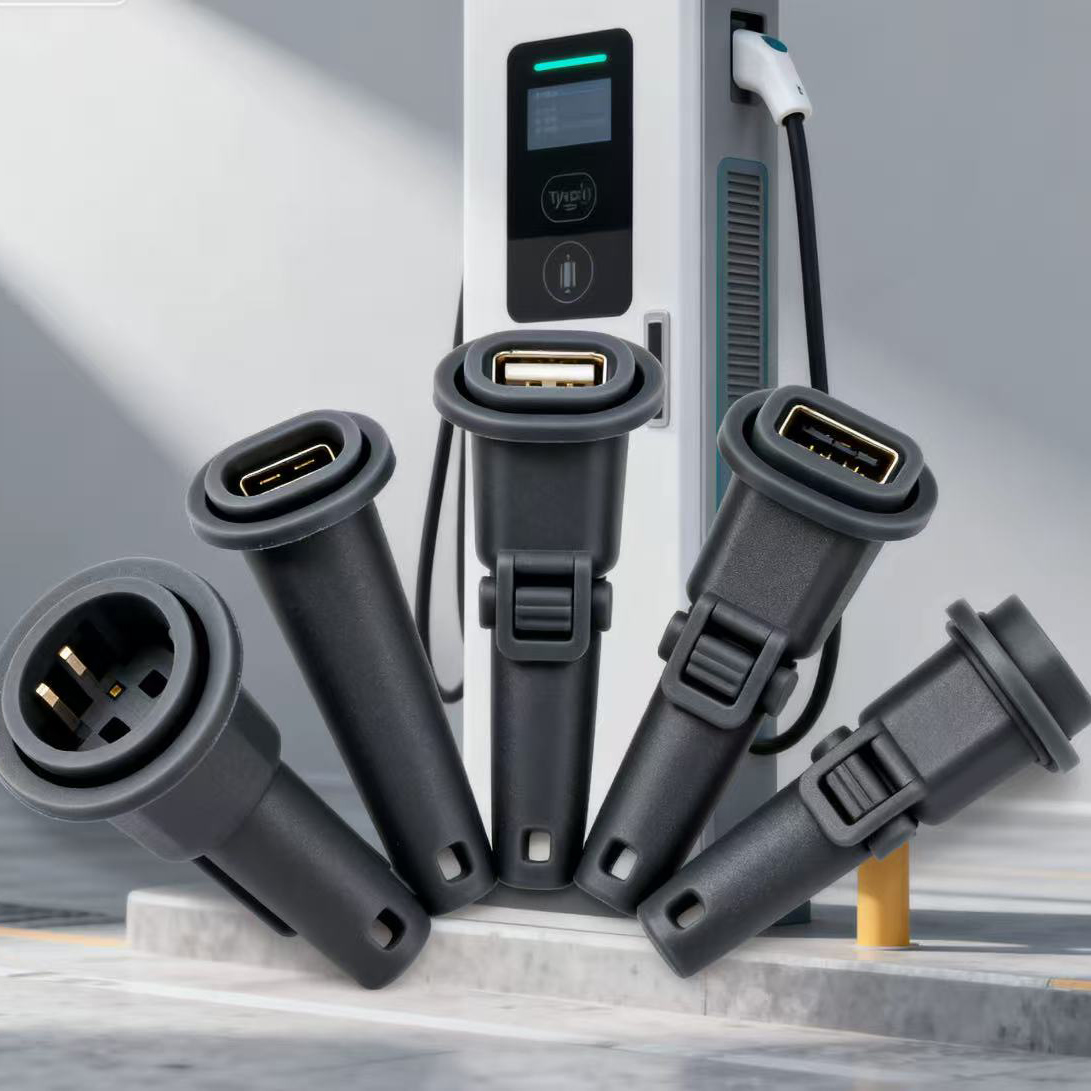
To grasp how a Silicone Sealing Pad functions mechanically, we must examine the physics of compression. As two parts of the charging pile housing are latched together, the elastomer is mechanically squeezed. It flows into the microscopic machining grooves, surface scratches, and imperfections of the metal or polycarbonate casing. This action creates a perfectly airtight joint.
The defining metric for evaluating this performance is compression set resistance. This term refers to a material's permanent deformation after being subjected to a heavy load for a specific time and temperature. Lower-quality rubbers suffer from a high compression set. Over time, they flatten out permanently and fail to push back against the housing panels, creating microscopic pathways for leaks. In contrast, high-quality silicone exhibits an exceptionally low compression set. It possesses the elastic memory to bounce back to its original shape even after years of continuous compression and intense thermal stress.
Beyond merely blocking direct rainfall, the seal plays a vital role in preventing the ingress of atmospheric moisture. Picture a sudden, freezing rainstorm immediately following a scorching summer afternoon. If the enclosure breathes in that humid air, condensation will rapidly form on the internal circuit boards. This triggers insidious short circuits and rapid corrosion.
By maintaining an airtight perimeter, the barrier establishes a stable micro-climate within the unit. As the metal outer shell expands during the heat of the day and contracts at night, the silicone remains highly elastic. It stretches and compresses in tandem with the housing's daily dimensional changes without ever breaking the environmental seal.
Current industry trend analyses reveal a massive shift in charging infrastructure. The market is moving aggressively toward ultra-fast 800-volt architectures and high-amperage liquid-cooled charging cables. This technological leap introduces unprecedented thermal loads and complex internal geometries that traditional sealing materials simply cannot handle. Infrastructure developers are completely pivoting away from generic elastomers. The new industry consensus mandates highly specialized, thermally stable compounds. This shift reflects a broader understanding that sealing components are no longer secondary accessories, but critical safety infrastructure vital for preventing catastrophic meltdowns.
Because high-power DC fast chargers handle massive amounts of electrical energy, there is an inherent risk of electrical fires if a component fails. Consequently, premium sealing materials are specially formulated with advanced flame-retardant additives to meet strict UL94 V-0 flammability standards.
Achieving a UL94 V-0 rating dictates that if the material is exposed to an open flame, it will self-extinguish within ten seconds and will not drip flaming particles. In the event of a catastrophic internal short or thermal runaway, the seal acts as a robust fire barrier rather than a fuel source. This contains the hazard within the unit and actively protects nearby users.
Another non-negotiable safety function is robust electrical insulation. High-voltage systems require distinct physical separation between live electrical components and the external metal casing that users interact with daily.
Specifically, silicone possesses excellent dielectric strength. This means it can withstand extremely high voltages without allowing electrical current to pass through. By strategically placing isolation pads between the internal circuitry and the metal housing, engineers prevent deadly high-voltage arcing. This structural design actively protects the end-user from life-threatening electric shocks.
Regulatory bodies strictly require charging stations to meet severe environmental protection ratings before public deployment. A properly designed gasket is the primary component that allows a charging pile to achieve an IP67 classification. This rating guarantees that the enclosure is completely dust-tight and can withstand being fully submerged in water up to one meter deep for thirty minutes.
Achieving this level of protection requires the gasket to exert uniform, uninterrupted pressure around the entire perimeter of the enclosure door, ventilation panels, and cable glands. This leaves absolutely no voids for water or particulate matter to exploit.
Outdoor chargers face constant bombardment from ultraviolet sunlight and atmospheric ozone. These harsh environmental factors rapidly degrade traditional plastics through photo-oxidation. This causes standard rubber to fade, chalk, and eventually crumble into useless fragments.
Silicone is fundamentally different due to its inorganic siloxane bonds. The energy required to break these alternating silicon and oxygen atoms is significantly higher than that of a carbon-carbon bond. Therefore, the UV energy from sunlight simply cannot degrade the polymer network. This unique inorganic chemistry ensures that these vital Dustproof Parts can survive for over a decade in direct, blistering sunlight without losing their critical sealing properties.
Charging stations utilize various forms of elastomers depending on the specific mechanical requirements of the joint being sealed. The choice generally comes down to cellular foam or solid rubber. Engineers must match the material density to the enclosure's closure force.
Silicone foam features a cellular structure containing tiny pockets of gas, making it incredibly lightweight and highly compressible. When engineers design large sheet-metal doors that require low closure force, foam is often specified. It provides excellent shock absorption and conforms to wide tolerance variations in metal panels. Conversely, solid silicone is dense and incompressible by volume. It is best suited for rigid, high-pressure sealing areas where the mating surfaces are precisely machined. Examples include heavy-duty cable glands and sensitive interactive touch screens.
Selecting the correct Silicone Gasket requires rigorous technical due diligence. When engaging with a manufacturer, procurement managers and lead engineers should demand specific performance metrics rather than generic promises. Use the following criteria for your next project:
Hardness Specification: Request a Shore A hardness between 20 and 50 for large enclosure doors to ensure proper compression without bending the metal hinges.
Thermal Range: Verify the continuous operating temperature range spans from negative 40 degrees Celsius to at least 200 degrees Celsius.
Safety Certification: Demand certified UL94 V-0 flammability test reports for the exact material blend being purchased.
Chemical Compatibility: Ensure the compound does not outgas volatile organic compounds that could fog internal glass displays or degrade sensitive circuit board coatings.
The traditional method for installing a seal involves mechanical fastening. During assembly, the housing features a precisely machined or cast groove, often called a gland. The gasket is carefully seated into this groove, and the opposing panel is placed on top.
Torque is then applied via bolts around the perimeter. Assembly technicians must follow exact torque specifications to achieve the optimal compression percentage. Under-compression leads to immediate field leaks. In contrast, over-compression can rupture the polymer network, severely compromising long-term durability and necessitating expensive maintenance call-outs.
As manufacturing techniques evolve, many producers are turning to liquid silicone adhesives and room temperature vulcanizing sealants. Instead of relying solely on physical compression, these liquid EV Charging Parts are dispensed directly onto the housing parts via automated robotic arms.
The adhesive cures in place, forming a permanent, flexible chemical bond between the two surfaces. This modern approach significantly reduces manual assembly time and lowers the overall weight of the unit. Furthermore, it provides exceptional resistance to vibration, making it perfect for permanently securing delicate glass displays to rugged plastic housings next to busy highways.
The reliability of the rapidly expanding global charging infrastructure rests heavily on some of its smallest, most unassuming components. A charging pile seal is far more than just a simple rubber ring. It is a highly engineered marvel of modern material science that provides critical waterproofing, thermal stability, and life-saving electrical insulation. By understanding exactly how a sealing pad or custom gasket functions under extreme environmental and electrical stress, engineers can specify the precise parts needed to ensure their stations remain safe, highly functional, and durable for decades. Ultimately, investing in premium sealing technology today prevents catastrophic failures tomorrow.
For infrastructure developers looking to secure their networks, selecting the right components is non-negotiable. Explore high-performance solutions and consult with material experts at Zhongweixin to find the exact protective seals your project demands.
Premium silicone seals are expertly designed to last 10 to 15 years, even in the most brutal outdoor environments. This longevity is due to their unparalleled resistance to UV radiation, atmospheric ozone, and extreme temperature fluctuations.
It is highly discouraged and often dangerous. Standard rubbers like EPDM rapidly degrade under the immense heat generated by fast chargers. They become brittle when exposed to UV light, inevitably leading to water leaks, severe corrosion, and catastrophic electrical failures.
When properly compressed between the rigid housing panels of a charging station, the elastomer flows into and fills all microscopic surface voids. This creates an impenetrable, airtight barrier that prevents even the finest, most abrasive dust particles from entering and damaging sensitive circuit boards.
While standard silicone acts as a thermal insulator, highly specialized thermally conductive pads can be custom-formulated with specific mineral fillers. These advanced materials actively transfer damaging heat away from critical electronic components to the outer casing, significantly aiding in the overall cooling process.
Yes, provided they are explicitly manufactured and certified to UL94 V-0 standards. Flame-retardant formulations will not sustain a flame and will self-extinguish quickly. This helps contain an internal fire and prevents it from spreading outside the charging unit to endanger users.
Unlike standard plastics and organic rubbers that freeze and shatter in sub-zero temperatures, high-grade silicone remains highly flexible down to negative 40 degrees Celsius. This ensures the watertight seal remains intact even during severe winter blizzards and ice storms.
Molded foam contains microscopic air pockets, making it highly compressible and ideal for large sheet-metal doors that require low closing force. Solid silicone is dense and incompressible, making it perfectly suited for high-pressure applications with tightly machined tolerances, such as heavy-duty cable glands.


