
Author: Site Editor Publish Time: 2026-01-27 Origin: Site
Gaskets are essential components used in sealing applications to prevent leaks and ensure the integrity of machinery and equipment. They are designed to create a tight seal between two surfaces, preventing the escape of fluids, gases, or other substances. Gaskets play a critical role in industries ranging from automotive and aerospace to food processing and pharmaceuticals. There are three primary types of gaskets commonly used across various industries: silicone gaskets, rubber gaskets, and metal gaskets. Each type offers unique properties that make them suitable for different applications. Silicone gaskets are known for their high-temperature resistance and chemical durability, making them ideal for harsh environments. Rubber gaskets provide flexibility and cost-effectiveness, perfect for moderate conditions. Metal gaskets are used in high-pressure and high-temperature applications, offering exceptional strength and durability. Understanding the characteristics of each gasket type is key to selecting the right one for your specific needs.
Overview:
Silicone gaskets are made from silicone rubber, known for its high performance in extreme conditions.
Advantages:
High-Temperature Resistance: Silicone gaskets withstand temperatures from -60°C to 300°C, making them ideal for high-heat environments.
Chemical Durability: They resist chemicals, oils, solvents, and cleaning agents.
UV Protection: Silicone resists UV light, ozone, and weathering, making them suitable for outdoor applications.
Common Applications:
Automotive: Seals in engines, exhausts, and cooling systems.
Aerospace: Sealing high-pressure, high-temperature components.
Food Processing: FDA-approved seals for food equipment.
Pharmaceuticals: Prevents contamination in production lines.
Overview:
Rubber gaskets are made from various rubber materials like natural rubber, EPDM, and nitrile, offering great sealing properties for general-purpose use.
Advantages:
Flexibility: Rubber gaskets conform to irregular surfaces, ensuring tight seals.
Cost-Effective: More affordable than silicone, making them ideal for budget-conscious applications.
Moderate Temperature Performance: Best for environments with temperatures ranging from -40°C to 120°C.
Common Applications:
Industrial Machinery: Seals in pumps, valves, and hydraulic systems.
Plumbing: Used in pipes, faucets, and valves.
HVAC Systems: Sealing joints and preventing leaks.
Automotive: Window seals, door seals, and air filters.
Overview:
Metal gaskets are made from metal alloys, often combined with non-metallic materials, designed for high-strength sealing in demanding environments.
Advantages:
High Strength: Metal gaskets are durable and ideal for high-pressure environments.
Pressure Resistance: Withstand extreme pressure in heavy-duty applications.
High-Temperature Durability: Maintain performance even in very hot conditions.
Common Applications:
Aerospace: Sealing components in aircraft engines and fuel systems.
Heavy Machinery: Used in mining and oil & gas machinery.
Power Generation: Seals in high-pressure, high-temperature environments.
When selecting a gasket, it is crucial to understand the differences between silicone, rubber, and metal gaskets based on key factors like temperature resistance, chemical exposure, flexibility, cost, and durability. Below is a comparison of these three types to help determine which is best suited for specific applications.
Silicone Gaskets:
Temperature Range: Typically -60°C to 300°C, with some specialized variants capable of handling higher temperatures.
Best For: High-temperature applications in industries like automotive, aerospace, and food processing where extreme heat is a concern.
Rubber Gaskets:
Temperature Range: Generally withstand temperatures from -40°C to 120°C, depending on the rubber type (e.g., EPDM, nitrile).
Best For: Moderate temperature environments where extreme heat or cold isn't a primary concern, such as plumbing, HVAC, and automotive sealing.
Metal Gaskets:
Temperature Range: Can handle very high temperatures, often exceeding 300°C (depending on metal alloy used).
Best For: High-pressure and high-temperature environments, such as in power generation, aerospace, and heavy machinery applications.
Silicone Gaskets:
Chemical Resistance: Excellent resistance to a wide variety of chemicals, oils, solvents, and cleaning agents.
Best For: Applications involving exposure to harsh chemicals, oils, or food-grade substances, such as pharmaceuticals, food processing, and chemical manufacturing.
Rubber Gaskets:
Chemical Resistance: Good resistance to oils and water, but not as durable against aggressive chemicals or solvents.
Best For: Applications where exposure to mild chemicals, water, or oils is common, like industrial machinery, HVAC systems, and plumbing.
Metal Gaskets:
Chemical Resistance: Highly resistant to a broad range of chemicals, particularly when made of high-performance alloys (e.g., stainless steel).
Best For: High-stress environments where exposure to strong chemicals, acids, or solvents occurs, such as in the oil & gas industry, power plants, and heavy machinery.
Silicone Gaskets:
Flexibility: High flexibility and can maintain a strong seal even under moderate compression.
Best For: Sealing applications that require precise compression and the ability to conform to irregular surfaces, such as in automotive engine components or food processing equipment.
Rubber Gaskets:
Flexibility: Highly flexible and compressible, making them ideal for sealing joints with irregular or misaligned surfaces.
Best For: Applications requiring easy compression and a flexible seal, such as in plumbing, HVAC, and low-to-moderate pressure systems.
Metal Gaskets:
Flexibility: Low flexibility but excellent resistance to deformation under high pressure. Often used with a soft sealing material to fill gaps and enhance the seal.
Best For: High-pressure environments where the seal must withstand extreme mechanical forces, such as in aerospace, heavy machinery, and power generation.
Silicone Gaskets:
Cost: Generally more expensive than rubber due to the specialized material properties and high-performance characteristics.
Best For: Applications where performance and longevity outweigh cost concerns, such as in high-performance automotive, aerospace, and medical fields.
Rubber Gaskets:
Cost: Affordable and cost-effective, especially when used for moderate temperature and pressure applications.
Best For: Applications where budget is a concern and the sealing requirements are not as demanding, such as in industrial machinery, plumbing, and HVAC.
Metal Gaskets:
Cost: Expensive, especially for high-performance metal alloys used in heavy-duty applications.
Best For: High-end applications where strength and pressure resistance are crucial, such as in aerospace, heavy machinery, and power plants.
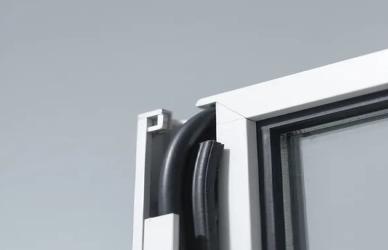
Choosing the right gasket material is essential for reliable sealing and optimal performance. Key factors to consider include temperature and pressure requirements, chemical compatibility, and cost considerations.
Temperature Resistance:
Silicone gaskets withstand -60°C to 300°C, making them ideal for high-heat environments. Rubber gaskets perform best in moderate temperatures from -40°C to 120°C. Metal gaskets are suited for high-pressure and high-temperature environments, often exceeding 300°C.
Pressure Resistance:
Silicone gaskets work well in low to moderate pressures, while metal gaskets excel in high-pressure situations. Rubber gaskets are better for moderate pressure but may deform under higher stress.
Key Consideration: Choose a material that can handle the temperature and pressure extremes of your application.
Chemical Exposure:
Silicone gaskets offer excellent resistance to chemicals, oils, and solvents, making them ideal for food, pharmaceutical, and chemical industries. Rubber gaskets are resistant to water and mild chemicals, but degrade with harsher substances. Metal gaskets, especially high-performance alloys, are highly resistant to most chemicals.
Key Consideration: Ensure the gasket material is compatible with the chemicals it will encounter.
Initial Cost:
Rubber gaskets are the most affordable option, suitable for standard applications with moderate performance needs. Silicone and metal gaskets are more expensive but offer greater durability.
Maintenance Costs:
Silicone and metal gaskets last longer, reducing the need for frequent replacements, especially in demanding conditions. Rubber gaskets are cheaper but may require more maintenance in harsh environments, leading to higher long-term costs.
Key Consideration: Rubber gaskets are cost-effective for moderate conditions, but silicone and metal gaskets offer better long-term value in demanding applications.
Silicone gaskets offer superior temperature and chemical resistance, while rubber gaskets are more cost-effective and flexible for moderate conditions.
Yes, metal gaskets are designed for high-pressure environments, offering excellent sealing capabilities in heavy-duty applications.
Yes, silicone gaskets are non-toxic and compliant with hygiene standards, making them ideal for food processing and pharmaceutical applications.
Choose silicone for extreme temperatures and chemicals, rubber for flexibility and cost-efficiency in moderate conditions, and metal for high-pressure, high-temperature environments.
Silicone gaskets are known for their long lifespan and excellent resistance to UV, ozone, and temperature extremes, making them less likely to degrade quickly.
In summary, the three main types of gaskets—silicone, rubber, and metal—each offer distinct advantages suited to specific applications. Silicone gaskets are ideal for environments requiring extreme temperature resistance and chemical durability, making them perfect for use in automotive, aerospace, pharmaceutical, and food processing industries. Rubber gaskets are more cost-effective and highly flexible, making them suitable for moderate temperature and pressure applications, such as industrial machinery, plumbing, and HVAC systems. Metal gaskets offer superior strength and pressure resistance, making them the go-to choice for high-pressure, high-temperature environments like aerospace, heavy machinery, and power generation.
When selecting the right gasket, consider your specific requirements: for high-performance in extreme conditions, silicone gaskets are ideal; for moderate environments with budget considerations, rubber gaskets are a great choice; and for heavy-duty applications requiring maximum strength and durability, metal gaskets are the best option. Understanding these material properties will ensure you make the best gasket choice for your application’s needs.


