
Author: Site Editor Publish Time: 2026-05-29 Origin: Site
Consumers and businesses are actively phasing out single-use plastics across the globe. Finding a viable replacement involves balancing chemical safety, physical durability, and the overall user experience. While paper and hard plastics present immediate usability or chemical degradation issues, silicone has quickly emerged as a primary alternative. However, buyers must look far beyond standard greenwashing claims. You must rigorously evaluate its actual thermal stability, physical risks, and specific maintenance requirements.
This comprehensive guide provides an evidence-based comparison of plastic versus silicone. We aim to establish clear evaluation criteria for consumers and enterprise buyers alike. By the end, you will confidently decide which reusable straw material fits your daily hydration needs, family safety standards, or commercial business requirements.
Chemical Stability: Unlike petroleum-based plastics, medical and food-grade silicone does not leach chemical toxins or microplastics into hot beverages.
Physical Safety: Silicone eliminates the risk of oral injuries (chipped teeth, throat punctures) associated with hard plastics, metals, and glass, making it universally safe for children and sensory-sensitive users.
Temperature Resistance: With a thermal tolerance ranging from -40°C to 220°C, silicone remains structurally intact and safe for both freezing smoothies and boiling coffee.
Maintenance Trade-offs: While highly durable, silicone requires specific cleaning protocols to mitigate odor absorption and dust attraction.
To understand why one material outperforms another, we must look at their elemental origins. This frames the foundational difference between the two options. Traditional plastic is a petroleum-based product. Manufacturers synthesize it using complex petrochemical processes. Because of its origin, plastic remains highly prone to chemical degradation over time. Silicone, on the other hand, is a synthetic rubber. It is derived directly from silica, an abundant element found naturally in sand. Manufacturers combine this silica with oxygen to create strong, tightly bound molecular chains. This specific formulation ensures the final material is highly inert and chemically stable.
The primary failure point of plastic lies in heat exposure. High temperatures cause everyday plastics to degrade quickly. When you use a plastic straw in hot coffee or tea, the material undergoes thermal stress. This stress can cause the plastic to leach harmful chemicals into your drink. Studies routinely detect Bisphenol A (BPA), Bisphenol S (BPS), and dangerous microplastics in liquids consumed through heated plastic. These endocrine-disrupting chemicals pose verified health risks over repeated exposure.
Conversely, rigorous regulatory frameworks back the safety of silicone. Recognized food safety authorities validate its chemical stability. For example, the European Union’s Food Contact Materials (FCM) directive sets strict guidelines for reusable items. Similarly, the German Federal Institute for Risk Assessment (BfR) issues strict recommendations for food-grade polymers. These authoritative bodies confirm that high-quality, food-grade silicone is non-toxic. It remains entirely suitable for repeated, long-term food contact without breaking down.
The ultimate outcome is clear. A high-quality Silicone Straw provides absolute peace of mind. You can consume scalding hot beverages safely. Plastic simply cannot offer this level of verified chemical safety.
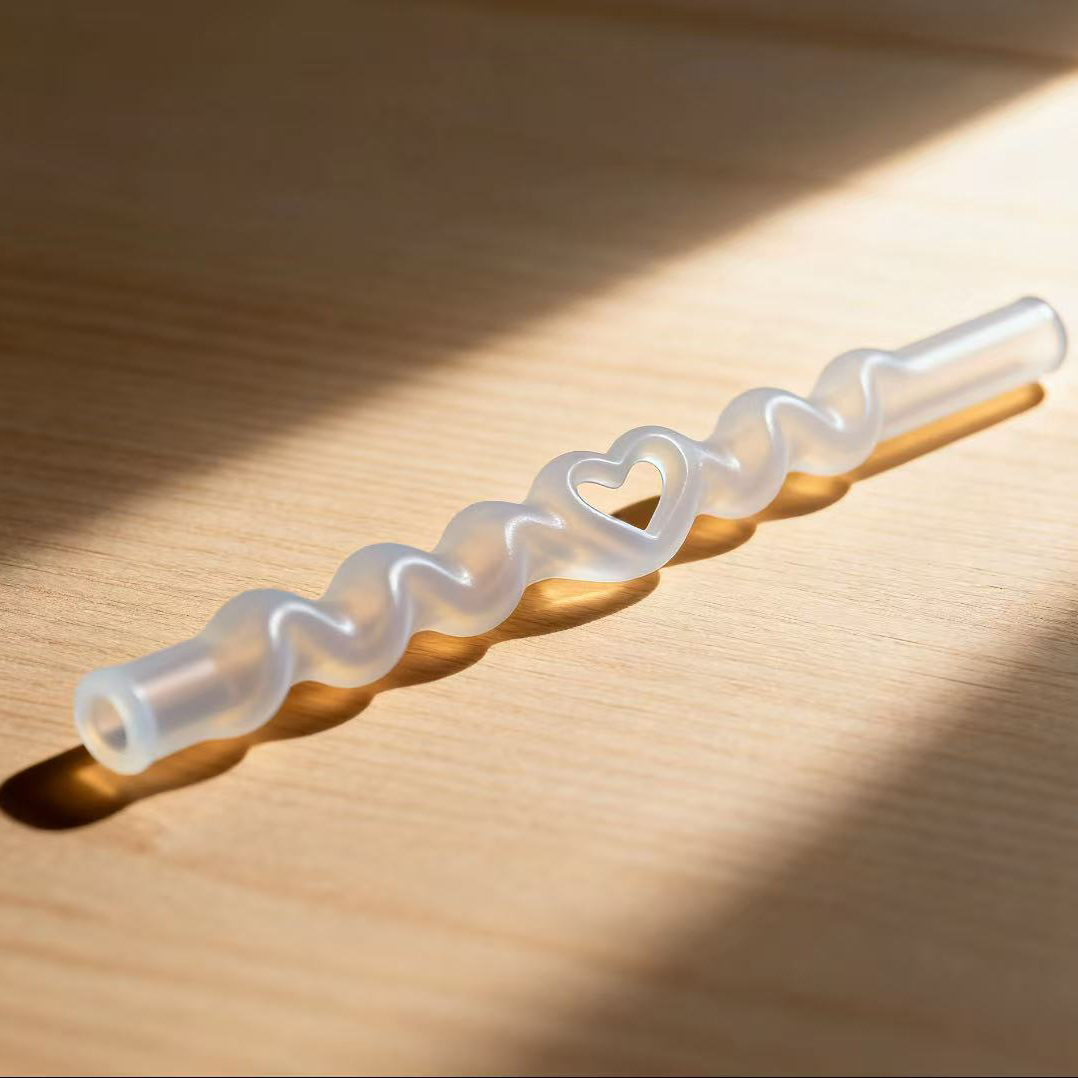
We must also address the physical dangers associated with rigid drinking tubes. Hard plastics, metals, and glass carry inherent physical risks. Dentists frequently document the reality of chipped teeth caused by metal straws. Furthermore, accidental throat injuries remain a serious concern. This risk multiplies exponentially for children. It also poses a threat to users drinking in moving vehicles. A sudden bump in the road can turn a rigid metal or glass tube into a dangerous hazard.
Silicone mitigates these injury risks entirely. Its soft, flexible nature provides immense sensory and accessibility advantages. It serves as an ideal solution for individuals known as "chewers." Children who unconsciously bite down on their straws will not damage their enamel. Furthermore, individuals with sensory processing needs, such as those with autism, often prefer the gentle texture. The flexibility ensures a safe, comfortable drinking experience every single time.
Another major advantage is its zero-thermal-conductivity feature. Metal straws conduct temperature rapidly. They can easily burn your lips when drinking hot coffee. Conversely, they can freeze your lips and tongue when consuming iced drinks. Silicone remains entirely temperature-neutral. Whether your drink is boiling hot or freezing cold, the exterior surface feels completely normal to the touch. This makes it a superior choice for year-round, all-weather usage.
Buyers evaluating silicone usually look at several other eco-friendly options. To make an informed decision, you need a transparent, skeptical-friendly comparison. Every material has its distinct advantages and severe limitations.
Metal is virtually indestructible. It survives drops and crushes easily. However, as noted earlier, it conducts heat dangerously. It also poses severe physical injury risks. Glass, specifically borosilicate glass, offers excellent transparency. You get 100% visibility for cleanliness checks. It also features zero odor retention. Unfortunately, glass carries an inherent shatter risk. You simply cannot use it safely in high-impact environments or give it to young toddlers.
Natural materials like bamboo and paper struggle significantly with moisture. Paper straws often release structural adhesives into your drink as they turn mushy. They may also leach potentially harmful chemical dyes. Bamboo features tiny micro-pores. If you do not dry bamboo meticulously, these pores harbor dangerous mold or mycotoxins.
To build trust, we must objectively admit silicone’s flaws. Silicone is not fully transparent. This opacity makes internal visual hygiene checks somewhat difficult. Furthermore, dry silicone can attract dust or pet hair via static electricity. You must rinse it before use if left sitting on a counter.
Below is a summary chart comparing the top reusable materials:
Material Type | Key Advantage | Primary Drawback | Best Use Case |
|---|---|---|---|
Silicone | Flexible, non-toxic, temperature neutral | Opaque, can attract dust | Children, travel, all temperatures |
Stainless Steel | Extreme durability, long lifespan | High heat conduction, hard impact | Adults, purely cold beverages |
Borosilicate Glass | 100% clear, zero flavor retention | Fragile, shatter risk | Home use, aesthetics |
Bamboo | Natural, organic aesthetic | Harbors mold, alters drink taste | Tropical drinks, single events |
Paper | Cheap, disposable, biodegradable | Gets soggy, adhesive leaching | Fast food takeout |
Implementation considerations matter just as much as material safety. A reusable straw is entirely useless if it doesn't fit your daily drinkware. Consumers today use a wide variety of hydration vessels. You must match your accessories to your specific cups.
Understanding tumbler sizing standards is crucial for an optimal experience. Massive insulated tumblers dominate the market. If you use a large-capacity 30oz or 40oz tumbler like a Yeti or Stanley, you need extra length. A 10.5-inch length is strictly required to reach the bottom without submerging the tip. On the other hand, standard 20oz cups or average highball glasses only require an 8.25-inch length.
Silicone offers a unique functional customization benefit. You can easily cut a long silicone tube with standard household scissors. If you purchase a long set, you can custom-fit them to perfectly match small kids' cups. You can also trim them for specific low-profile coffee mugs. You cannot do this with glass, metal, or bamboo.
For on-the-go solutions, portability is paramount. Rigid glass or metal tubes stick out of bags awkwardly. They easily collect lint or snap under pressure. We highly recommend a Collapsible silicone straw as the premier choice for travel. It folds neatly into small, dedicated carrying cases. You can attach this case directly to your keychain. This solves the daily portability issue entirely, ensuring you always have a safe option at restaurants.
We must address the most common "odor" objection head-on. It is a known issue within the industry. Over time, silicone can absorb flavors or odors from strong beverages. If you drink heavily spiced iced chai or pungent dark roast coffee daily, the material may retain a slight scent. This happens because silicone molecules can trap organic oil compounds.
You can easily resolve this by following an actionable cleaning framework. Proper maintenance ensures a hygienic, odor-free experience.
Daily washing: They are completely dishwasher safe. However, the dishwasher cannot scrub the interior walls. A dedicated squeegee or small bristle brush is mandatory. You must physically scrub the inside to prevent hidden mold buildup inside the opaque tube.
Deep sterilization: Silicone boasts extreme high heat tolerance. This allows for rigorous boiling water sterilization. Drop them in a pot of boiling water for five minutes weekly. This kills any lingering bacteria instantly.
Odor stripping hacks: You can reset the material using verified household solutions. Soak the smelly items in warm water mixed with fresh lemon peels. Alternatively, use a thick paste of baking soda or a diluted white vinegar solution. Let them sit for two hours, then rinse thoroughly. The odor will vanish.
Best Practice: Always rinse out your cup and accessories immediately after drinking dairy or sugary sodas.
Common Mistake: Never leave a dirty tube sitting in a hot car for days. This bakes the sugars into the material, making mold removal exceptionally difficult.
You should view this purchase as a genuine long-term investment. High-quality silicone boasts a remarkable lifespan. Under normal room-temperature conditions, it lasts up to 10 years. It does not become brittle like traditional plastics. It will not snap, rust, or shatter. This longevity prevents hundreds of single-use items from entering our local landfills every single year.
However, we must be completely transparent about disposal realities. Municipal curbside recycling programs rarely accept silicone items. They do not have the specialized sorting facilities required for synthetic rubber. When you finally need to dispose of them, you must rely on specialized recycling programs. Organizations like TerraCycle accept these goods and repurpose them into industrial playground mats or track surfaces.
The decomposition profile further differentiates its end-of-life impact. Traditional plastics fragment into dangerous microplastics. These tiny particles pollute oceans, soil, and eventually human bloodstreams. When silicone is incinerated or eventually breaks down naturally, the process is vastly different. It degrades back into harmless silica ash, carbon dioxide, and water vapor. This means it contributes zero global microplastic pollution. It respects the earth's natural elemental cycles.
Our final verdict is definitive. A high-quality silicone straw is objectively safer than its plastic counterpart. On the chemical front, it guarantees no toxic heat leaching. On the physical front, it removes all blunt force hazards and accidental injury risks. It bridges the gap between environmental responsibility and practical daily usability seamlessly.
To implement this upgrade successfully, follow these actionable next steps:
Verify the source: Always check packaging for "100% Food-Grade" or "Medical-Grade" labels. This helps you avoid cheap, chemically unsafe plastic fillers.
Measure your cups: Purchase appropriate lengths based on your primary drinkware. Remember you need at least 10.5 inches for large insulated tumblers.
Equip for travel: Invest in a collapsible model with a carrying case if you frequently commute or eat at restaurants.
Buy the right brush: Ensure your purchase includes an internal bristle brush for mandatory daily scrubbing.
A: No. BPA is an industrial chemical used primarily in polycarbonate plastics and epoxy resins. 100% food-grade silicone is synthesized from natural silica and oxygen. It is inherently BPA-free, BPS-free, and contains no phthalates.
A: Yes. Their high heat resistance allows them to withstand the bottom rack of commercial and residential dishwashers perfectly. They will not warp, melt, or shrink. However, you should still manually scrub the inside with a brush beforehand.
A: Like any reusable tube, they can harbor bacteria if not properly scrubbed. Rinsing alone is insufficient. Users must use an internal cleaning brush daily. You should occasionally boil them in water to ensure absolute hygiene and kill potential mold spores.
A: With proper care, a high-quality silicone straw can easily last upwards of a decade. They do not lose their structural integrity, flexibility, or temperature resistance over time, making them a superb long-term sustainable replacement.


